Triangular Space Design
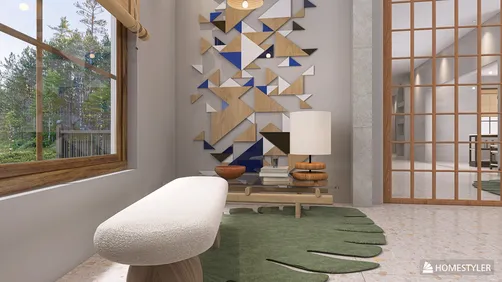
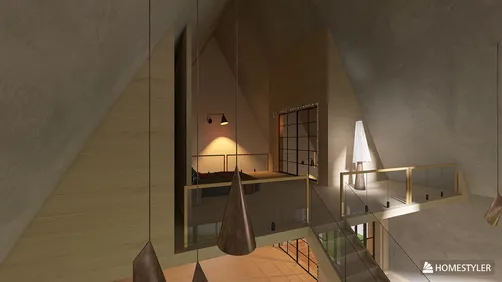
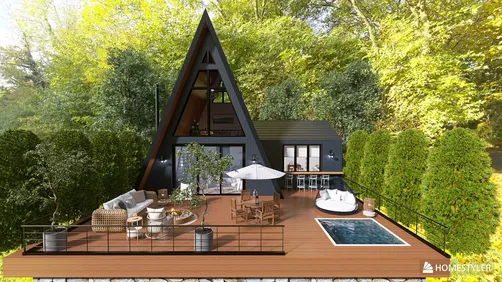
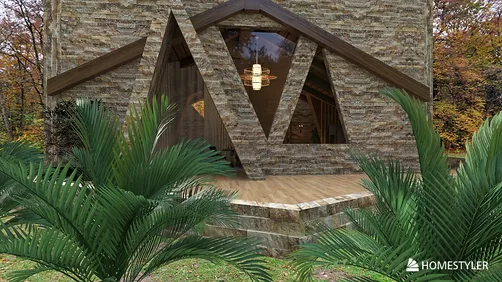
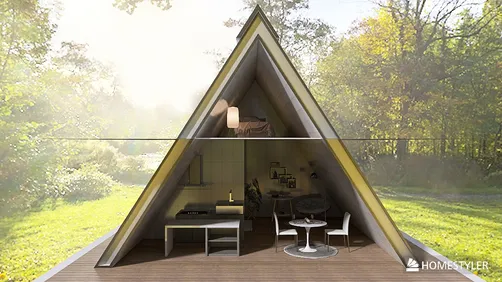
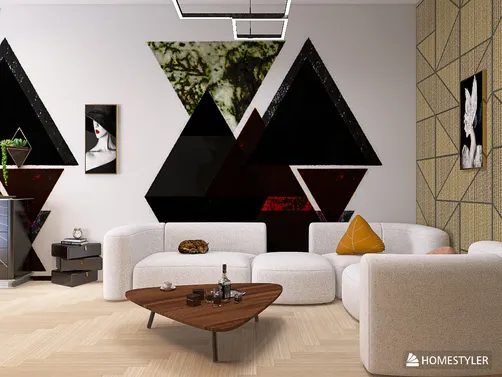
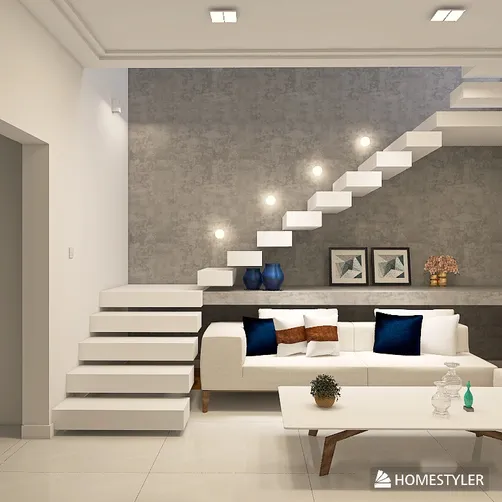
Triangular Space Design refers to the intentional integration of triangular geometry—such as A-frame roofs, angular floor plans, triangular doorways, sloped ceilings, or faceted furniture—into residential and interior environments. This design approach transcends mere aesthetic novelty; it leverages the inherent structural stability and visual dynamism of triangles to redefine spatial perception, optimize light flow, and create immersive, memorable experiences. As showcased in the Triangle House Challenge, triangular design is applied across diverse typologies—from compact attic offices and modern cabins to expansive farmhouses and urban lofts—proving its versatility in both functional indoor space planning and expressive architectural form.
Design Challenges and Common Pitfalls
Integrating triangular elements introduces distinct challenges: awkward dead zones under steeply sloped ceilings, difficulty placing standard rectangular furniture, compromised ergonomics (e.g., limited headroom or circulation paths), and visual fragmentation if angles clash without cohesive rhythm. Additionally, balancing bold geometry with human-scale comfort—and ensuring natural light distribution across asymmetrical planes—requires careful indoor space planning and iterative prototyping. Many entrants initially overemphasize form at the expense of function, resulting in spaces that look striking in renders but lack livability.
✅ Prioritize Human-Centered Spatial Flow
Triangular geometry must serve people—not the other way around. Begin by mapping primary circulation routes, sightlines, and key functional zones (e.g., sleeping, cooking, relaxing) before introducing angles. Use Homestyler AI design tools to simulate walk-throughs and test clearances: adjust roof pitch to preserve ≥2.1m headroom in main living areas, stagger triangular partitions to avoid corridor bottlenecks, and align sloped walls with natural light paths rather than blocking them. The goal is intuitive movement—not navigational puzzle-solving.

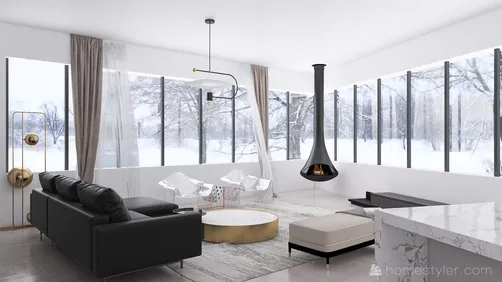
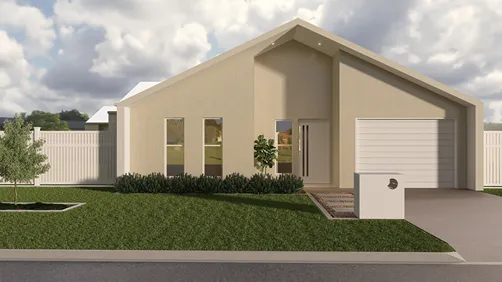
Melodee Miller’s 'Mel & Ryan – Brookfield – Sunset' demonstrates this principle masterfully: the Scandinavian-inspired home uses gentle triangular rooflines not as dominant sculptural gestures, but as subtle framing devices for expansive glazing and seamless indoor–outdoor transitions. Using Homestyler AI design tools, she optimized window placement along the angled façade to maximize cross-ventilation and northern light—ensuring every triangle serves thermal comfort and spatial openness, not just visual drama. Her indoor space planning prioritizes wide, unobstructed pathways between kitchen, dining, and courtyard—proving geometry enhances, rather than impedes, daily life.
Start Free Design Now✨ Anchor with Harmonious Material & Color Rhythm
Triangles risk feeling cold or chaotic without grounding elements. Establish visual cohesion through consistent material language (e.g., warm timber cladding repeated on ceiling, wall, and built-in joinery) and a restrained color palette where hue, tone, and saturation shift intentionally across angled surfaces. Use Homestyler’s real-time material swap and lighting simulation to preview how light interacts with triangular facets—avoiding glare on glossy finishes or shadow pooling in acute corners. Let texture and tone unify form.

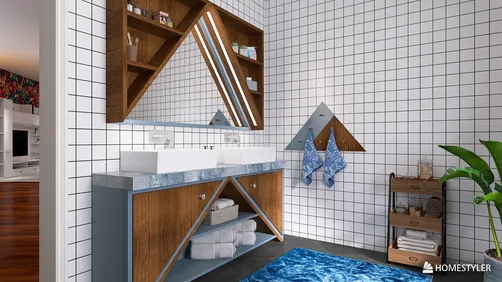
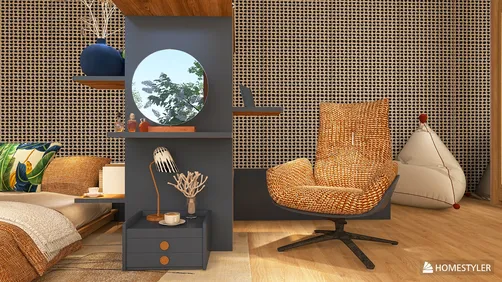
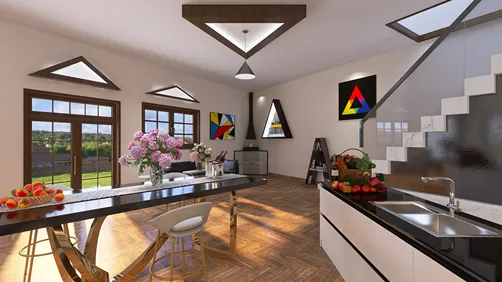
@happyplace @home’s 'Tricky Triangle' tackles sharp angularity with earthy warmth: exposed timber beams, woven textiles, and layered greenery repeat across triangular ceiling planes and angled shelving—creating rhythm, not rigidity. Leveraging Homestyler AI design tools, the designer tested dozens of HDR lighting scenarios ('g_bank') to soften harsh shadows cast by intersecting planes, ultimately choosing diffused daylight rendering that highlights material texture over geometric severity. This exemplifies how Homestyler design techniques transform potential discord into tactile harmony—making triangular space planning feel grounded and inviting.
Begin Your Warm Design🎯 Integrate Triangles at Multiple Scales
Effective triangular design operates across macro-to-micro scales: from overall roof structure and room volume down to custom cabinetry, lighting fixtures, tile layouts, and even decorative objects. Avoid ‘one-note’ geometry—instead, layer triangles hierarchically (e.g., large A-frame silhouette + medium triangular shelving + small triangular drawer pulls). Homestyler’s component library and parametric modeling allow rapid iteration of scaled triangular motifs, ensuring proportional resonance and avoiding visual fatigue.

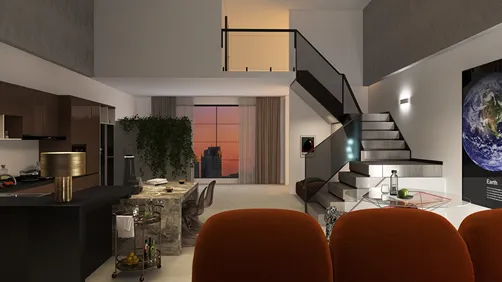
PG studio’s 'nite' applies triangulation with surgical precision: the kitchen features triangular open shelving units aligned with the ceiling’s angular datum, while recessed LED strips trace triangular grooves in cabinetry—echoing the macro roofline at micro scale. Using Homestyler AI design tools, they simulated nighttime lighting (‘peoples_square_night’ HDR) to verify that each triangular accent contributed ambient glow without glare, proving how multi-scale integration makes triangular space planning feel intentional, not incidental. Their use of Homestyler design techniques underscores that coherence emerges not from uniformity—but from thoughtful repetition.
Create Cozy SpacesFAQ
Q: Do I need professional architecture experience to participate in the Triangle House Challenge?
Not at all. Homestyler AI design tools are built for designers of all levels—including beginners. With intuitive drag-and-drop, instant 3D rendering, and AI-powered layout suggestions, you can experiment with triangular floor plans, sloped ceilings, and angular furniture arrangements without drafting expertise.
Q: Can I submit designs for non-residential spaces like studios or galleries?
Yes—the Triangle House Challenge welcomes all building types. While many entries focus on homes, innovative submissions include triangular art studios, rooftop pavilions, and modular workspaces. Just ensure your core concept meaningfully integrates triangular geometry into the spatial experience.
Q: How important is realism vs. conceptual creativity in judging?
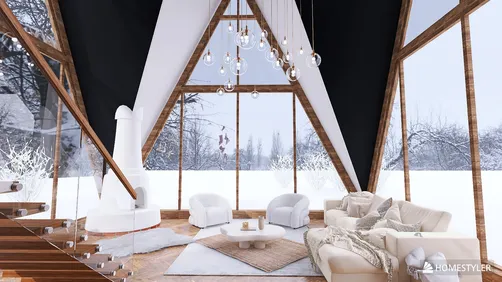
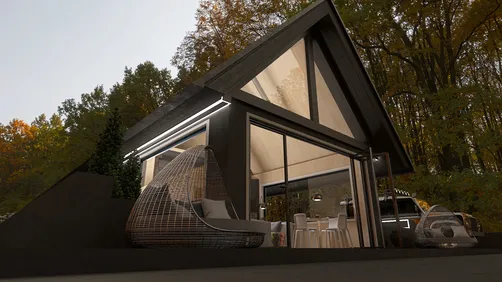
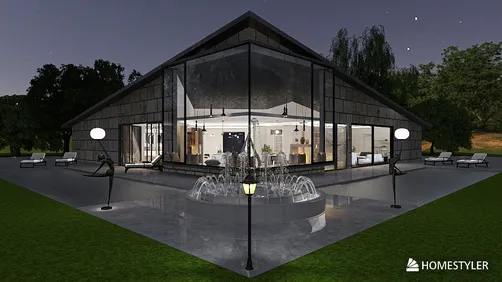
Judges value both. Top-winning designs like Greyvalley Studios’ 'Black but Bright' balance bold A-frame form with realistic human-centered indoor space planning—ample natural light, functional storage, and ergonomic flow. Creativity shines through intelligent application, not abstraction alone.
Q: Are there restrictions on using Homestyler’s AI features during the contest?
No— Homestyler AI design tools are fully encouraged. In fact, advanced usage (e.g., AI-generated material palettes, sunlight analysis, or multi-angle render comparisons) demonstrates sophisticated indoor space planning and may strengthen your entry.
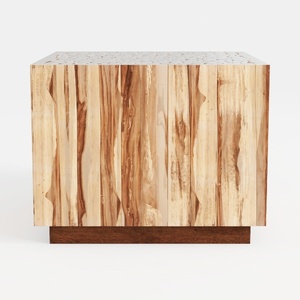

Minimalist Solid Wood Accent Cabinet with Textured Top 3D Model
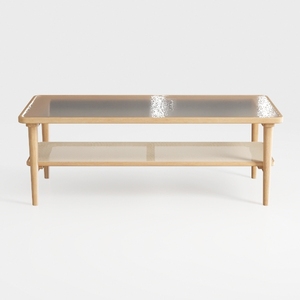
Minimalist Solid Wood Glass Top Coffee Table 3D Model
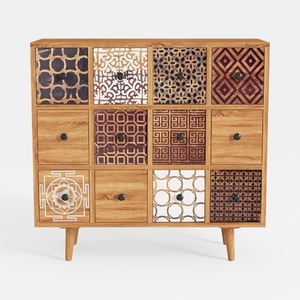
Bohemian Solid Wood Multidrawer Accent Cabinet With Patterned Fronts 3D Model
Homestyler offers an easy-to-use online design tool with stunning 3D renderings, inspiring interior projects, and helpful DIY video tutorials—perfect for transforming your home design ideas into reality effortlessly.
Дизайн сейчас бесплатно