Clean Bedroom Design
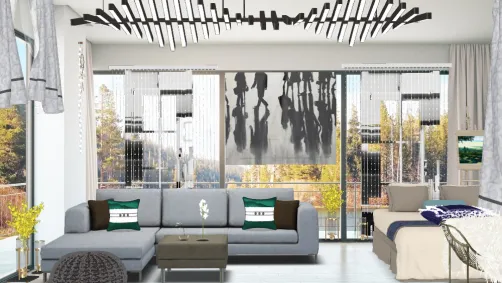
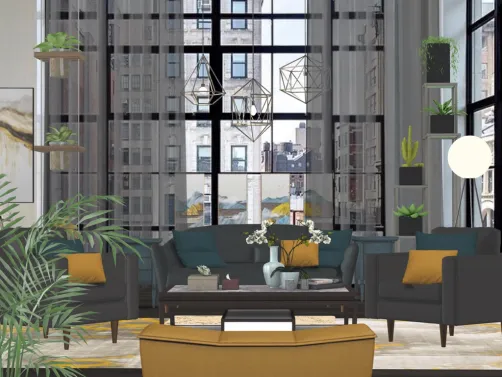
The 'Clean Bedroom Design' scene refers to a minimalist, uncluttered, and functionally focused bedroom environment that prioritizes visual calm, spatial clarity, and intentional simplicity. Inspired by the CleanContest theme — where judges emphasized 'uncluttered, simple, easy-to-parse' aesthetics — this design approach strips away excess ornamentation, embraces neutral palettes, leverages smart storage integration, and centers human comfort and restfulness. It transcends strict minimalism by allowing warmth and personality through texture, subtle contrast, and carefully curated elements — all while maintaining rigorous spatial discipline and purposeful indoor space planning.
Design Challenges and Common Pitfalls
Common challenges in clean bedroom design include balancing minimalism with livability (e.g., avoiding sterility), integrating sufficient storage without compromising visual lightness, managing scale in smaller rooms (where every object impacts perception), and maintaining cohesion across materials, finishes, and lighting layers. Many designers unintentionally introduce visual noise via mismatched furniture proportions, inconsistent line weights, or over-layered textiles — undermining the core goal of clarity and calm.
✅ Prioritize Visual Hierarchy & Negative Space
A clean bedroom begins with deliberate composition: define one clear focal point (e.g., the bed as anchor), use generous negative space around key elements, and limit competing visual weights. Avoid symmetry for its own sake; instead, apply asymmetrical balance guided by scale, tone, and function. This principle ensures the eye moves effortlessly and rests comfortably — essential for restorative indoor space planning.
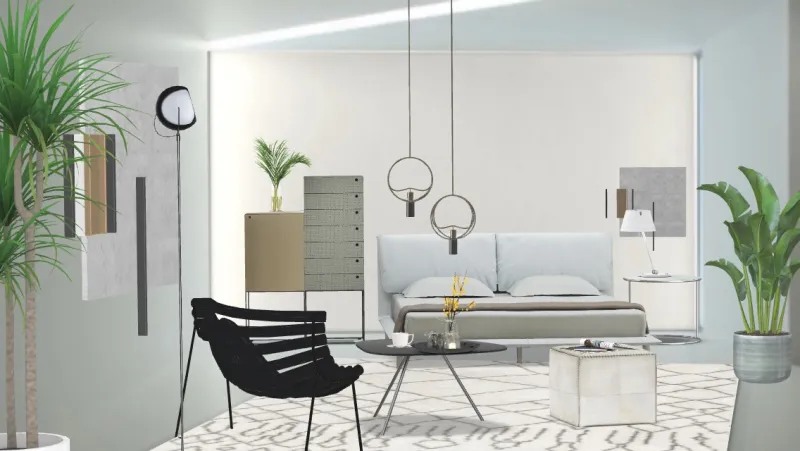
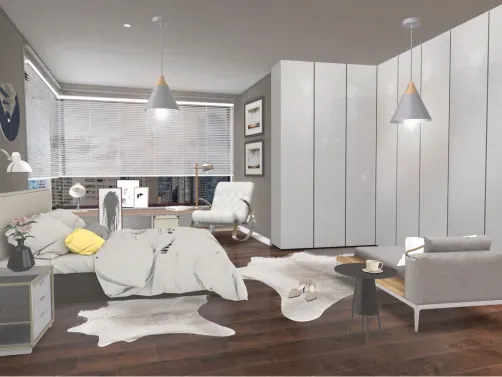
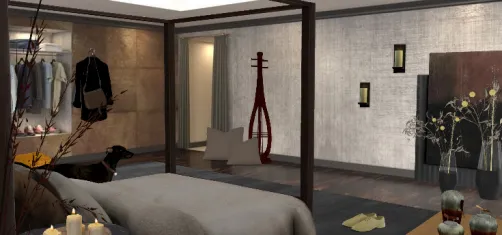
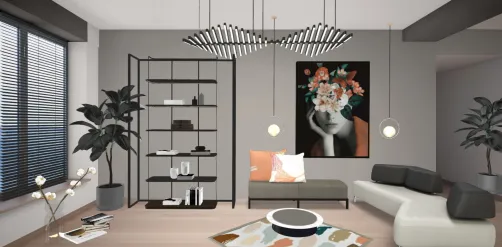
Designer XimeBP’s 'dormitorio' exemplifies visual hierarchy through restrained layout: the low-profile bed is centered and unadorned, flanked by identical floating nightstands and recessed wall sconces — creating rhythm without repetition. Homestyler AI design tools enabled precise proportioning and real-time negative space simulation, allowing XimeBP to test multiple configurations until wall-to-furniture clearances felt both spacious and intimate — a hallmark of professional indoor space planning.
Вызовы в дизайне Vist✅ Unify Materials & Maintain Tone Consistency
Select no more than three primary material families (e.g., warm wood, matte white lacquer, soft linen) and carry them consistently across furniture, flooring, and textiles. Limit color variance within each family — e.g., use only one wood tone throughout — to reduce chromatic and textural friction. This tonal continuity fosters perceptual spaciousness and reinforces the clean aesthetic without sacrificing warmth or tactility.

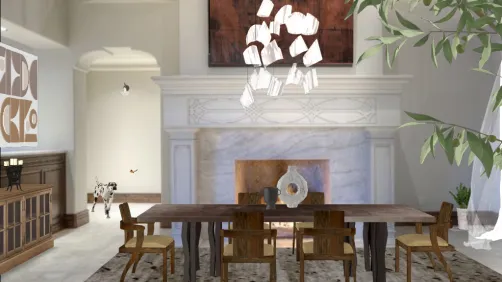
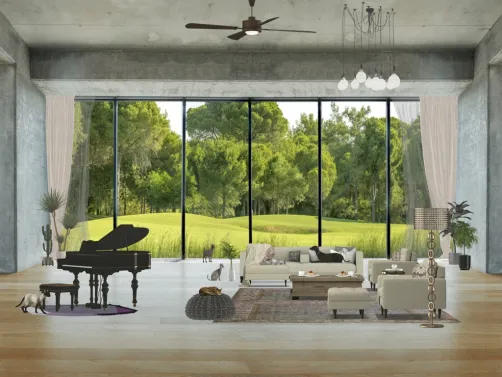
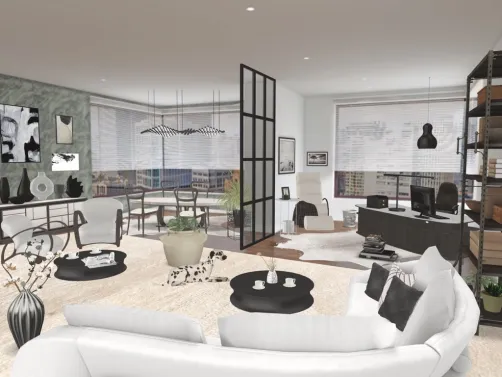
Though titled 'Living room with musical instruments', Kim H’s submission demonstrates masterful tone consistency — note the unified oak flooring, matching timber-framed seating, and monochromatic linen upholstery. This same Homestyler AI design technique applies directly to bedrooms: using the platform’s material library, Kim H swapped textures in real time to ensure all wood elements shared grain direction and warmth, while keeping wall paint, bedding, and rug within a single tonal band. Such precision is foundational to advanced Homestyler design tricks.
Вызовы в дизайне Vist✅ Integrate Storage as Architecture — Not Afterthought
In clean bedroom design, storage must disappear into the architecture or become part of the aesthetic language — think floor-to-ceiling built-ins with concealed handles, under-bed drawers with silent runners, or modular wardrobes with flush-mounted doors. Every storage solution should align with wall planes, ceiling lines, or floor transitions. This eliminates visual breaks and transforms utility into serene structure.
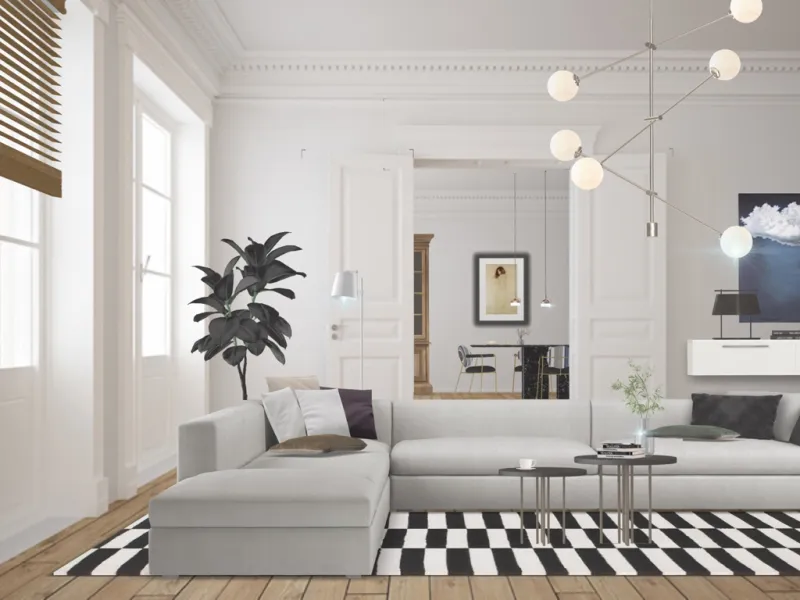
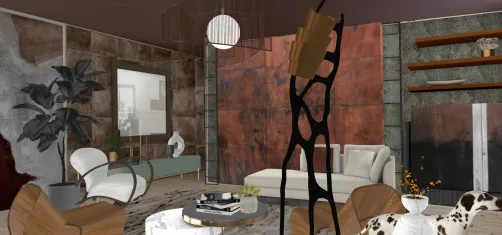
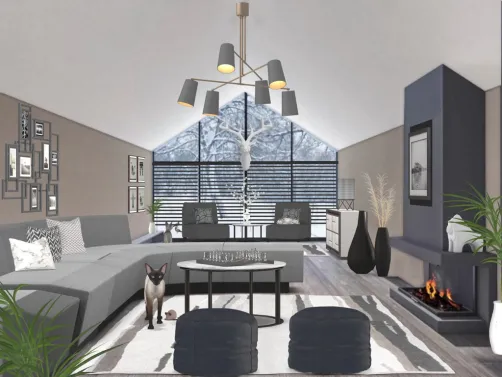
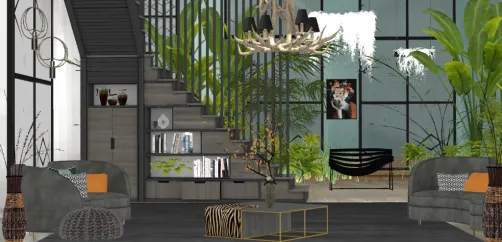
Mieke ov.’s 'semi-eclectic elegance' features a seamless, handleless wardrobe system that reads as a sculptural wall element — not furniture. Using Homestyler AI design tools, mieke ov. modeled custom millwork depth, door swing clearance, and interior compartment logic before rendering, ensuring functional access remained hidden behind visual purity. This reflects best-practice indoor space planning: storage isn’t added later — it’s resolved at the schematic stage.
Вызовы в дизайне VistFAQ
Q: How can I achieve a clean bedroom look without making the space feel cold or impersonal?
A: Focus on tactile layering — incorporate organic materials like linen, wool, and solid wood; use warm ambient lighting (2700K–3000K) with dimmers; and add subtle personal accents (e.g., one framed sketch, a ceramic vase) placed with intentional negative space. Homestyler design tricks let you preview material warmth and light temperature before committing.
Q: What are the top Homestyler AI design tools for optimizing small-bedroom layouts?
A: Use the ‘Smart Resize’ tool to test scaled furniture variants instantly; leverage ‘Material Swap’ to compare finishes across walls, floors, and cabinetry in one click; and apply ‘Clutter Preview Mode’ (via Settings > Visualization) to simulate visual density — critical for accurate indoor space planning in compact zones.
Q: Do clean bedroom designs require professional interior design knowledge?
A: Not necessarily — but success hinges on disciplined application of core principles: hierarchy, material unity, and architectural storage. Homestyler design techniques lower the barrier significantly, offering AI-guided suggestions, real-time ergonomics checks (e.g., walking paths, door swings), and contest-winning templates from designers like Rutchevelle Den Ouden, ND (Top 2, CleanContest).
What began as an Autodesk innovation has evolved into a design platform used by more than 20+ million users around the globe. Homestyler combines powerful rendering, an intuitive editor, and a vast furniture library to help you turn inspiration into photorealistic designs — whether you're redesigning a single room or planning an entire home.


Minimalist Cane Headboard Solid Wood Platform Bed 3D Model
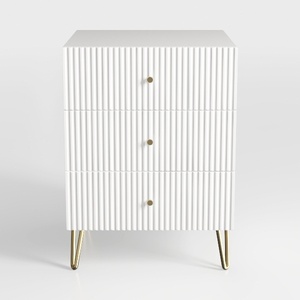
White Dresser for Bedroom, Modern Wide Dresser

Minimalist White Solid Wood Two Drawer Nightstand 3D Model
{ "error": { "message": "Missed model deployment" } }
Дизайн сейчас бесплатно