

Living Room Design
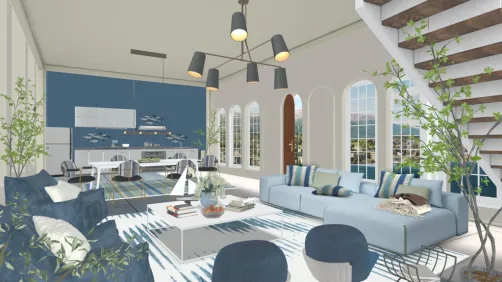
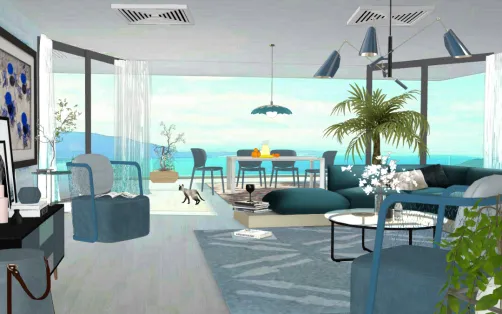
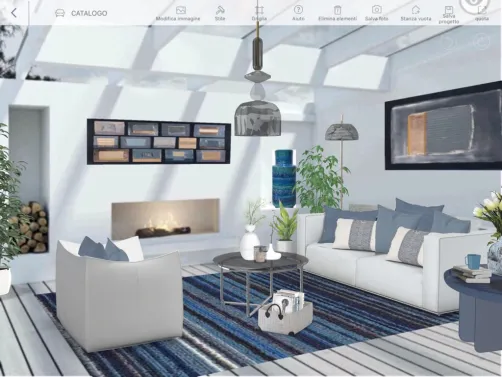
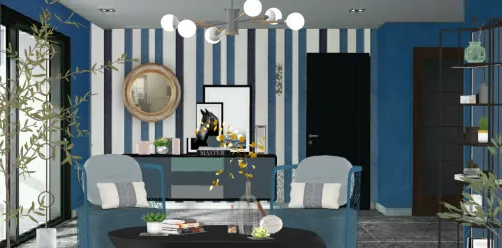
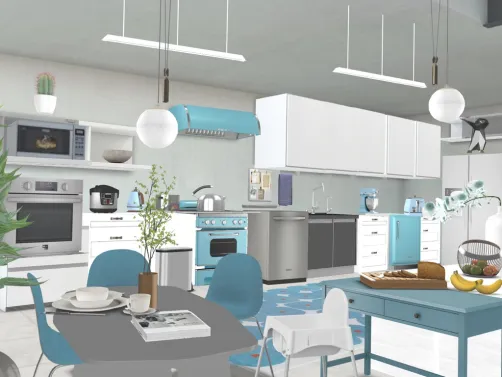
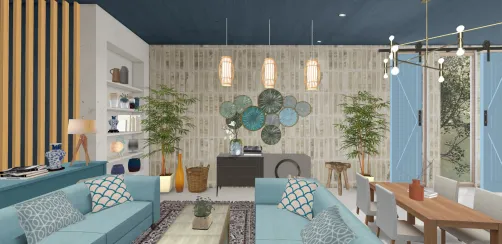
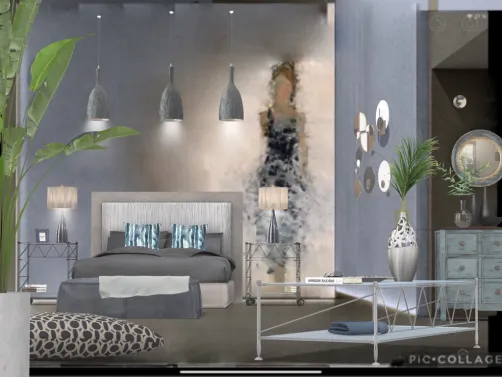
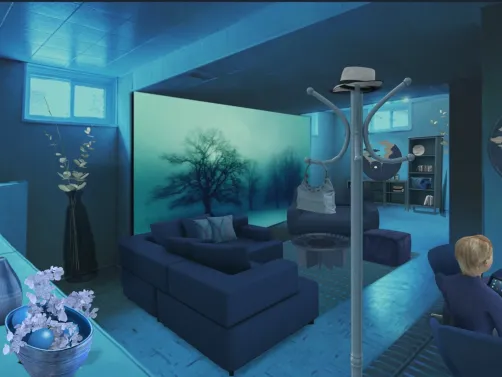
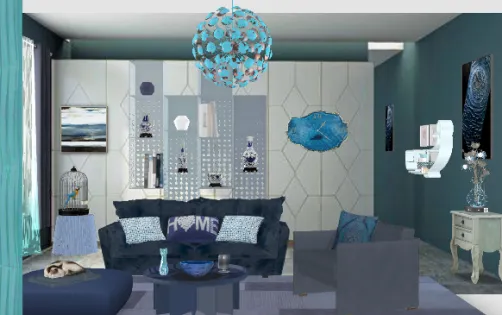
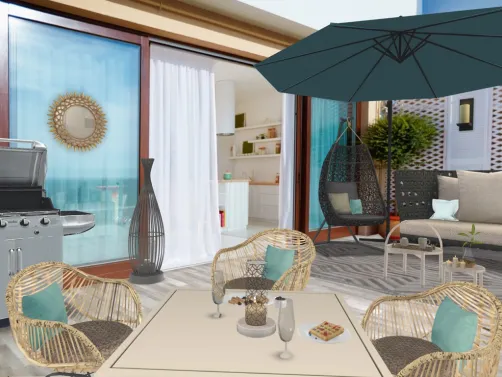
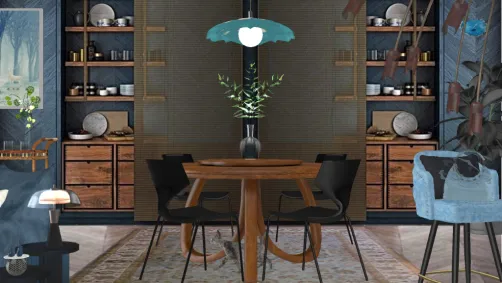
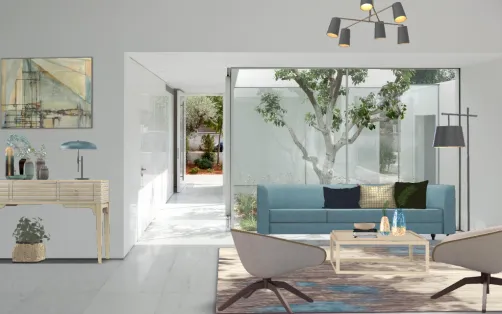
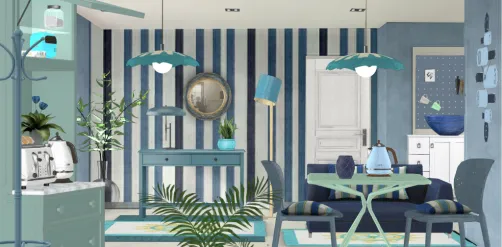
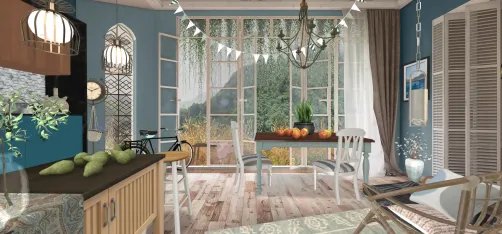
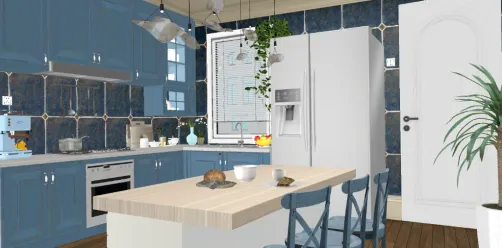
The living room is the heart of the home—a multifunctional space for relaxation, socializing, and personal expression. In the 'ShadesofblueContest', top designers transformed this core area using nuanced blue palettes—from soft baby blue to deep navy—to evoke calmness, trust, and sophistication. These award-winning entries showcase how thoughtful interior space planning, balanced furniture layout, and strategic color layering can turn even modest living rooms into serene, cohesive environments—proving that blue isn’t just a color, but a mood enhancer grounded in psychological comfort and visual harmony.
Design Challenges & Common Pitfalls
Achieving balance in a blue-dominated living room is deceptively complex. Overuse of cool tones risks creating a sterile or overly somber atmosphere; insufficient contrast leads to visual flatness; and poor lighting integration causes blues to appear dull or washed out. Additionally, many designers struggle with scaling—using oversized blue elements (e.g., a monolithic navy sofa) without warm accents or textural variation results in spatial heaviness. Homestyler design tips emphasize starting with natural light analysis and layering hues—not just painting walls, but curating textiles, finishes, and ambient lighting as unified components of interior space planning.
🎨 Harmonize Blue Tones with Warm Neutrals
Avoid monochromatic fatigue by anchoring cool blues with warm neutrals like beige, oat, taupe, or soft ivory. This contrast adds depth, prevents visual chill, and invites tactile warmth through materials—think linen cushions, rattan side tables, or timber flooring. Successful designs use the 60-30-10 rule: 60% dominant blue (walls or large furniture), 30% warm neutral (upholstery, rugs), and 10% accent (metallics, plants, or art).
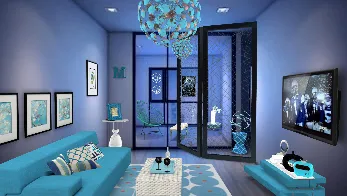
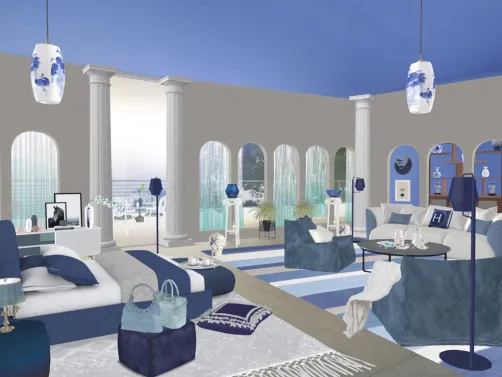
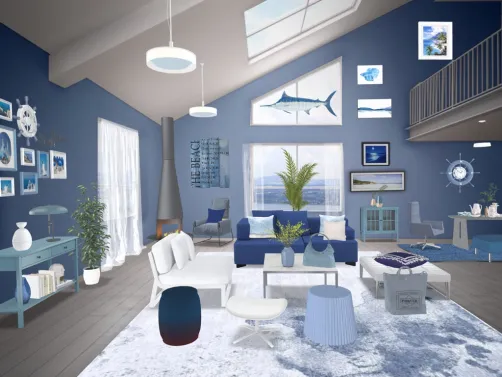
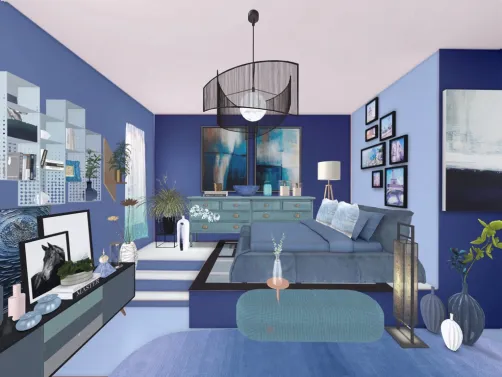
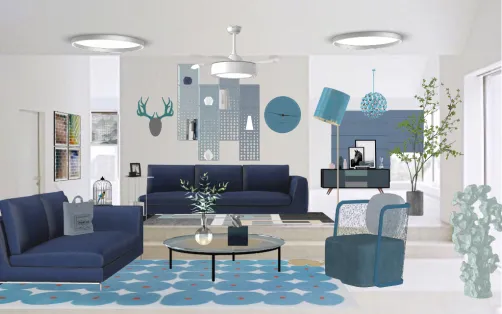
Designer Mary Valerio’s 'Shades of blue' entry masterfully applies this principle: she pairs pale blue walls with a creamy beige L-shaped sofa, warm-toned oak flooring, and olive-green botanical accents. Using Homestyler AI design tools, she simulated natural daylight at multiple times of day—ensuring the blue remained serene but never cold—and adjusted material reflectivity to enhance texture perception in renders. Her interior space planning prioritized flow between seating zones and circulation paths, demonstrating how Homestyler design tips support both aesthetic cohesion and functional intelligence.
Start Your Free Design🛋️ Prioritize Furniture Scale & Spatial Flow
Blue furniture—especially bold or saturated pieces—can dominate visually if underscaled or poorly positioned. Opt for proportionate silhouettes (e.g., low-back sofas in compact rooms) and anchor layouts around focal points (fireplace, window, or media wall). Leave minimum 30–45 cm clearance around walkways, and use rugs to define zones within open-plan living areas. Strategic negative space enhances breathing room and reinforces tranquility—the very essence blue symbolizes.

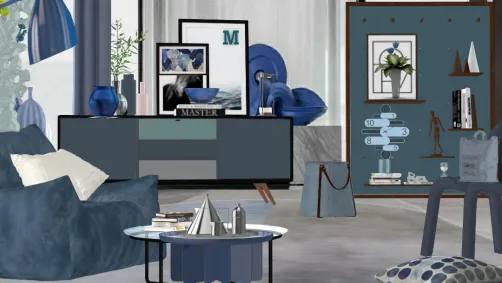
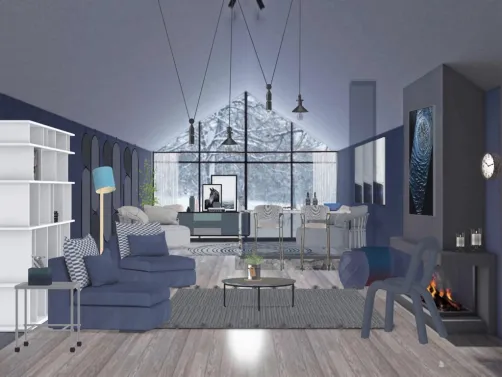
ximena .’s '🔵🔵' design exemplifies intelligent scale management: a single navy velvet armchair sits beside a slender light-wood stool and a crisp white wool rug—creating intimacy without crowding. She used Homestyler’s drag-and-drop spatial planner to test 7+ furniture configurations before locking the final layout, ensuring 42 cm of clearance along the primary pathway. Her approach reflects advanced Homestyler design tips—leveraging AI-generated floorplan heatmaps to validate traffic flow and optimize interior space planning for real-world usability.
Begin Your Free Design💡 Layer Lighting to Elevate Blue Depth
Blue surfaces react dramatically to light temperature and intensity. Cool-white LEDs can mute blue richness, while warm-white (2700K–3000K) sources enhance its coziness. Integrate three layers: ambient (ceiling fixtures), task (floor lamps beside seating), and accent (wall sconces highlighting artwork or textured walls). Dimmable controls are essential—allowing users to shift ambiance from energized daytime clarity to tranquil evening serenity.
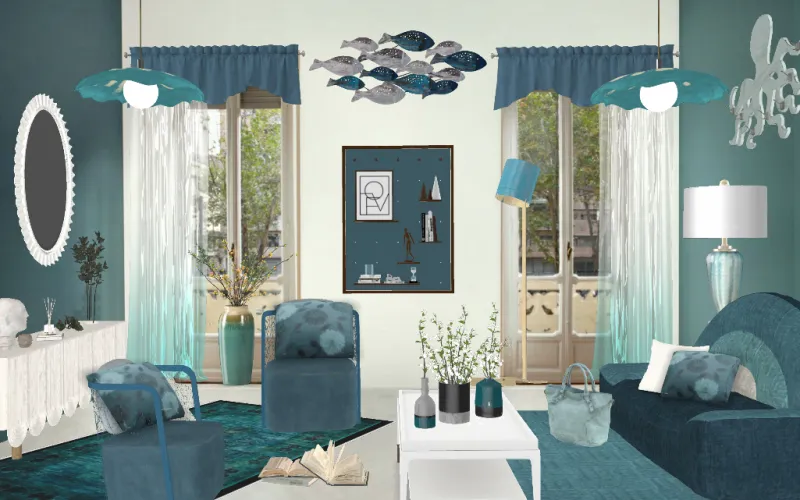
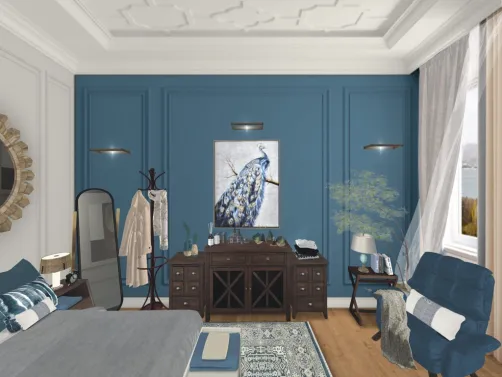
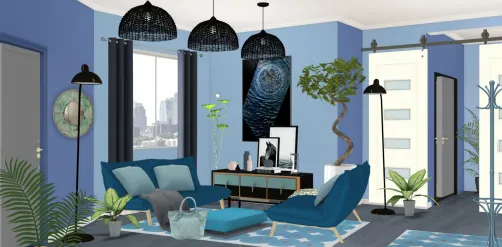
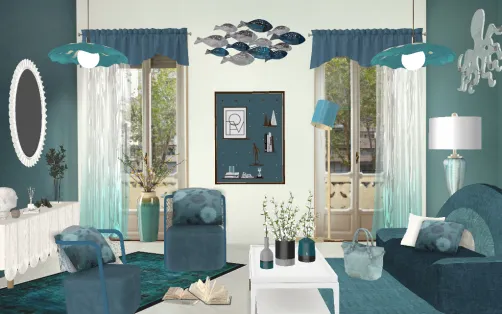
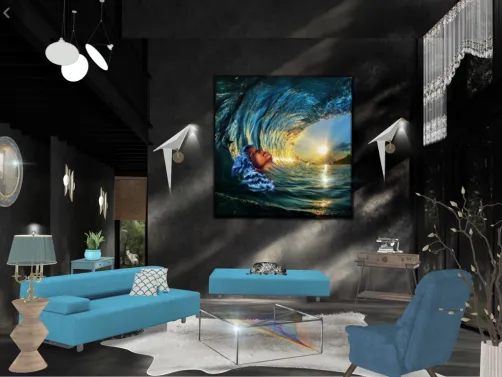
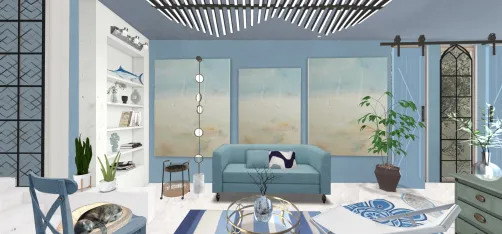
Matty’s 'Turquoise raffiné' leverages lighting as a design protagonist: a turquoise accent wall glows under precisely angled brass floor lamps and a trio of matte-black pendant lights with warm-diffused bulbs. Using Homestyler’s real-time lighting simulator, he iterated over 12 lighting presets—adjusting Kelvin, lumen output, and fixture height—to ensure the turquoise retained jewel-like saturation without glare. His interior space planning integrates light as infrastructure—not afterthought—showcasing how Homestyler design tips empower holistic, sensorially rich environments.
Launch Free DesignFAQ
Q: How do I prevent a blue living room from feeling too cold or clinical?
Use warm-toned wood, terracotta ceramics, cream textiles, and soft ambient lighting to introduce thermal contrast. Avoid pairing cool blues exclusively with chrome or glass—opt for brushed brass, matte black, or aged copper instead.
Q: Can I use blue in a small living room without making it feel cramped?
Absolutely—choose light-value blues (e.g., sky blue, powder blue) on walls and ceilings to enhance perceived height and airiness. Use mirrors strategically and keep furniture legs exposed to maintain visual lightness.
Q: What Homestyler AI features help refine blue-based living room designs?
Try the 'Material Swap' tool to preview how different finishes (matte vs. glossy paint, fabric vs. leather upholstery) affect blue tone depth; use 'Light Simulation' to test time-of-day rendering; and leverage 'Style Match' to auto-generate coordinated accent palettes based on your selected blue hue.
Q: How many shades of blue should I use in one living room?
Stick to 3–4 harmonized tones maximum—for example: a base wall color, a mid-tone furniture piece, a subtle textile pattern, and a saturated accent (pillow, vase, or artwork). Too many variations create visual noise and undermine interior space planning clarity.
What began as an Autodesk innovation has evolved into a design platform used by more than 20 million people around the globe. Homestyler combines powerful rendering, an intuitive editor, and a vast furniture library to help you turn inspiration into photorealistic designs — whether you're redesigning a single room or planning an entire home.
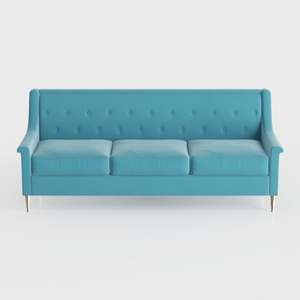
Modern Velvet Tufted Three Seat Sofa With Gold Metal Legs 3D Model
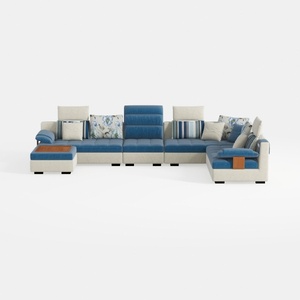
Modern Two Tone Fabric U Shape Sectional Sofa With Decorative Pillows 3D Model
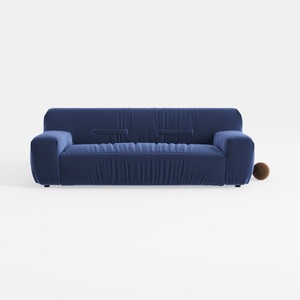
Minimalist Navy Velvet Three Seater Sofa 3D Model
Homestyler offers an easy-to-use online home design tool featuring stunning 3D renderings, inspiring design projects, and helpful DIY video tutorials—perfect for bringing your interior decoration ideas to life effortlessly.
Дизайн сейчас бесплатно