Triangular Space Design
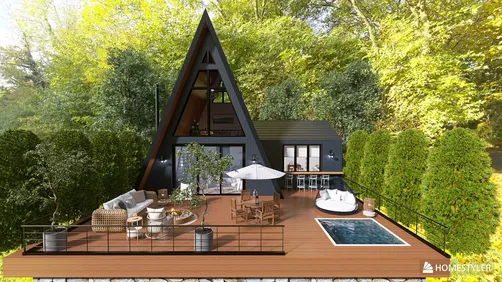
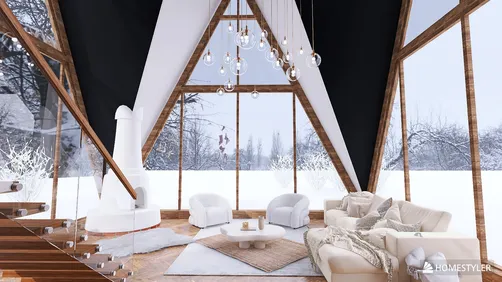
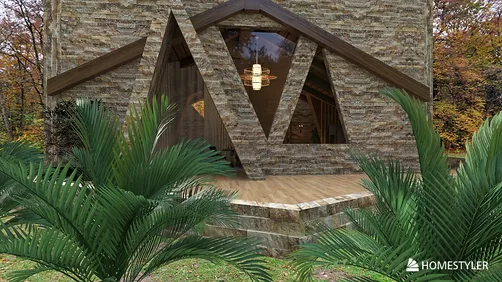
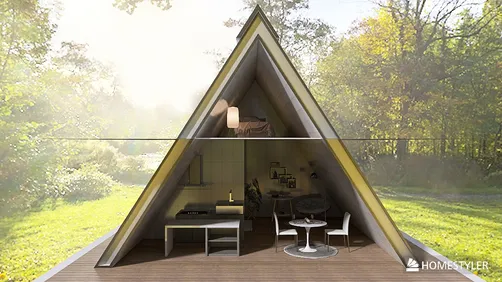
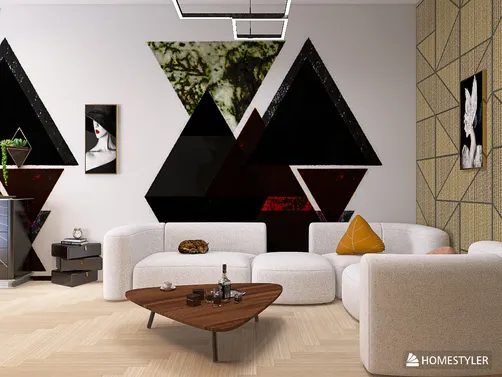
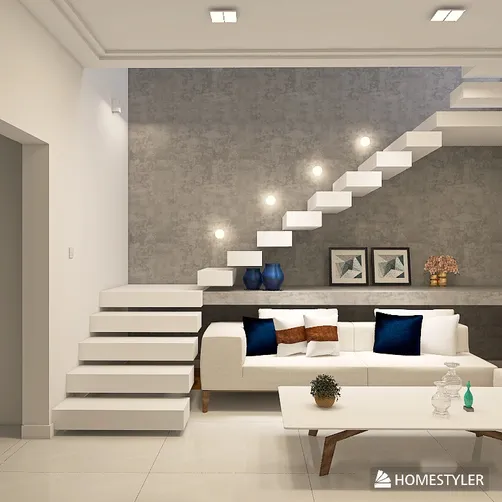
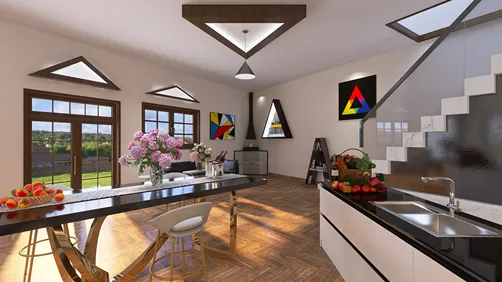
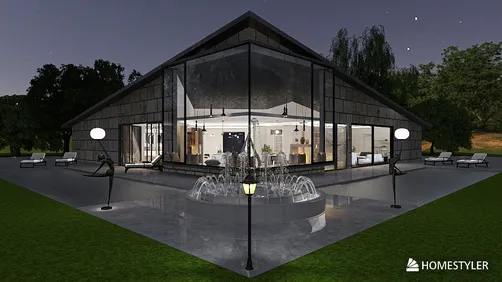
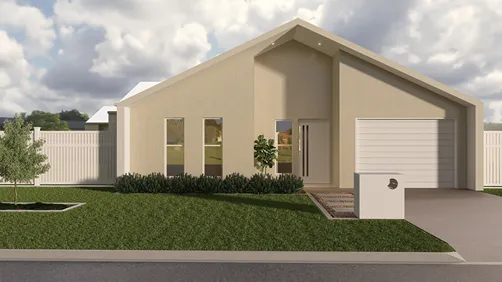
Triangular Space Design refers to the intentional integration of triangular geometry—whether in structural elements (e.g., A-frame roofs, angular floor plans), architectural features (e.g., triangular staircases, gabled windows), or decorative details (e.g., triangular shelving, facetted lighting fixtures)—to shape spatial experience, enhance visual dynamism, and optimize functional flow. Unlike conventional rectilinear layouts, triangular spaces challenge designers to reconcile asymmetry with comfort, slope with usability, and geometry with human scale—making them especially relevant for compact homes, attic conversions, rooftop additions, and expressive residential exteriors. This design approach is not merely aesthetic; it supports innovative indoor space planning by encouraging vertical layering, strategic zoning, and daylight amplification through angled glazing.
Design Challenges & Common Pitfalls
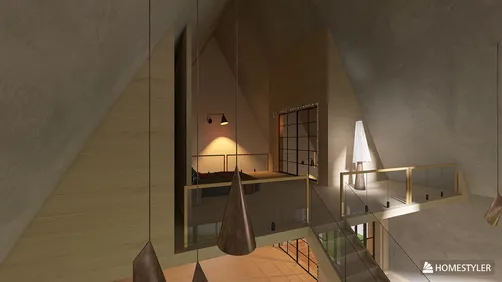
Triangular spaces often present three core challenges: (1) inefficient use of corner zones due to acute angles limiting furniture placement; (2) compromised headroom and circulation under sloped ceilings—especially critical in lofts and A-frame dwellings; and (3) difficulty balancing bold geometric expression with ergonomic comfort and universal accessibility. Many designers unintentionally prioritize form over function—resulting in awkwardly proportioned rooms, poorly lit interiors, or disjointed room adjacencies. These issues underscore why thoughtful indoor space planning and precise Homestyler design techniques are essential before finalizing triangular layouts.
✅ Prioritize Human-Centered Spatial Flow
Triangular geometry should serve people—not dominate them. Begin by mapping primary circulation paths (e.g., entry-to-kitchen, bedroom-to-bathroom) along the longest, most orthogonal edges of the triangle to avoid zigzagging or bottlenecks. Use Homestyler’s real-time collision detection and dimension overlays to test furniture fit in sloped zones, and anchor key zones (like seating or work surfaces) within the ‘comfort rectangle’—the central area where ceiling height exceeds 2.1 m and floor width accommodates standard furniture depth (≥0.6 m). Avoid placing beds or desks directly beneath sharp apexes unless supplemented with built-in storage or lowered soffits to soften scale.

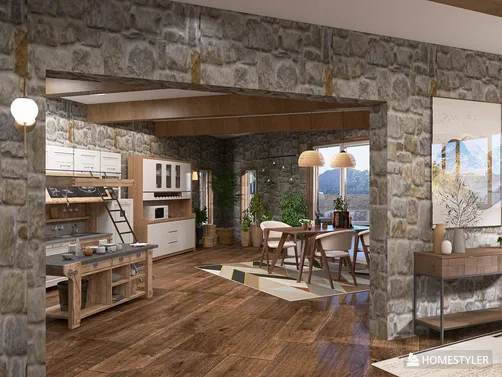
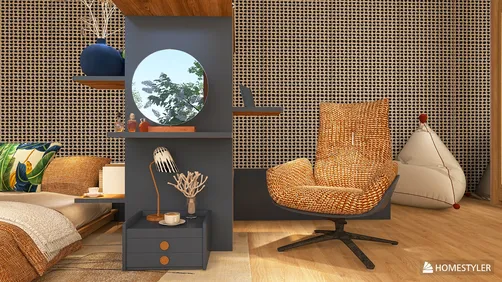
In 'Boho Farmhouse - Xmas Edition' by jennifer, the triangular footprint is subtly expressed via a gently tapered roofline and angled garden walls—but the interior maintains intuitive flow by aligning the main living-dining axis parallel to the longest façade. Using Homestyler AI design tools, jennifer positioned modular farmhouse-style cabinetry along straighter wall segments and reserved the narrower triangular corners for vertical greenery and recessed lighting—transforming potential dead zones into atmospheric accents. This demonstrates how Homestyler design techniques enable intelligent indoor space planning without sacrificing stylistic cohesion.
Design Your Cozy Courtyard📐 Optimize Light & Volume Through Angular Glazing
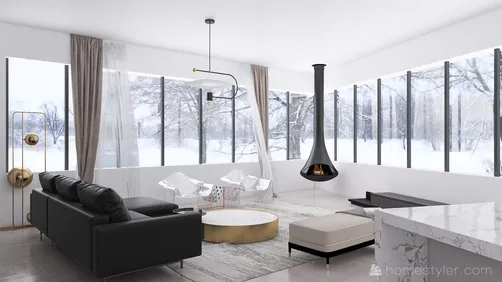
Triangular forms inherently offer exceptional opportunities for daylighting—especially when paired with full-height or clerestory glazing along inclined planes. In Homestyler, leverage the Sunlight slider and HDR environment presets (e.g., 'city_park', 'g_fallen_leaves') to simulate seasonal light behavior across sloped surfaces. Strategically place windows at varying heights on triangular walls to create layered illumination: high windows wash walls with ambient light, mid-height openings frame views, and low-level glazing (e.g., triangular transoms) bounces light deep into interiors. Always verify glare risk using Homestyler’s real-time render preview—especially where glass meets reflective surfaces like white walls or polished floors.

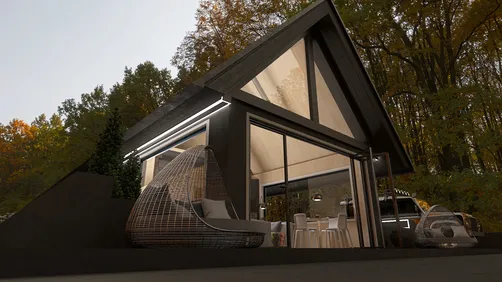
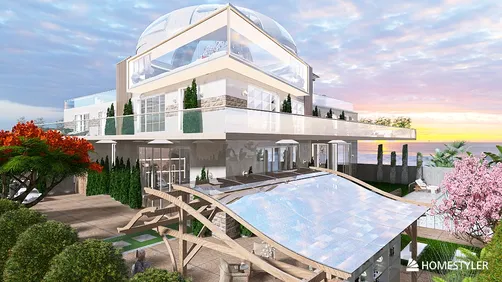
Lis Bador’s 'Triangle House for Web' masterfully employs angular glazing on its balcony façade—using Homestyler’s custom window tool to insert a series of triangular casement units that follow the roof’s pitch. The result is abundant, diffused daylight flooding the interior while preserving privacy through strategic orientation. By pairing this with warm-toned wood finishes and soft landscaping rendered via Homestyler’s 'g_sea_sky' HDR setting, she achieves volumetric clarity without visual clutter—a textbook application of light-aware indoor space planning.
Create Your Sunny Villa🎯 Unify Geometry & Function With Modular Triangular Systems
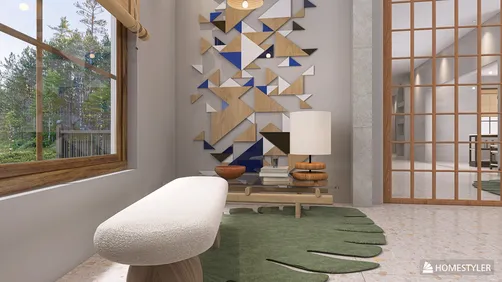
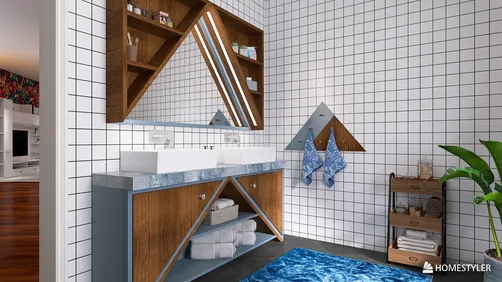
Rather than treating triangles as singular motifs, embed them as repeatable, scalable systems—such as triangular shelving grids, hex-tri hybrid flooring patterns, or prefabricated triangular wall panels with integrated storage. In Homestyler, use the Group & Duplicate function to replicate triangular modules across walls or ceilings, then adjust spacing and depth to maintain rhythm. For small-scale applications (e.g., bathroom niches or kitchen backsplashes), apply triangular tile textures via Material Editor—ensuring grout lines align precisely with structural angles. This modular logic strengthens visual coherence while solving practical needs: storage in tight corners, acoustic diffusion on slanted surfaces, and seamless transitions between levels.

Viktoriia V’s 'Actress’s home' integrates triangular geometry through a custom-built floating shelf system mounted at 60° angles above the sofa—designed in Homestyler using precise rotation constraints and snap-to-grid alignment. Each triangular module houses concealed LED strips and doubles as display space for curated objects, turning structural constraint into sculptural opportunity. Her use of Homestyler AI design tools ensured proportional harmony with the room’s existing sloped ceiling line and maintained clear sightlines—proving that even modest apartments benefit from intentional triangular systems when guided by disciplined indoor space planning.
Start Modern ApartmentFAQ
Q: Do I need professional architecture software to participate in the Triangle House Challenge?
Not at all. Homestyler is a browser-based, AI-powered interior design platform that requires no installation or prior CAD experience. Its intuitive drag-and-drop interface, smart dimensioning, and one-click rendering make it ideal for translating triangular concepts into photorealistic visuals—even for beginners.
Q: Can I submit designs with mixed styles (e.g., Scandinavian + Bohemian) in a triangular layout?
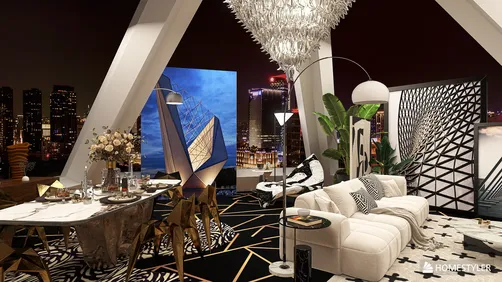
Absolutely. The Triangle House Challenge has no style restrictions. In fact, top-winning entries like 'Boho Farmhouse – Xmas Edition' and 'Black but Bright' demonstrate how contrasting aesthetics—when anchored by consistent triangular geometry—create compelling narrative depth and visual richness.
Q: How does Homestyler help me validate headroom and furniture fit in sloped triangular spaces?
Homestyler includes real-time height mapping (via the Measure tool), collision alerts when objects intersect ceilings, and adjustable ceiling height sliders per room. You can also toggle 'Human Figure' avatars to test walkability and seated sightlines—critical for attic offices or A-frame bedrooms.
Q: Are there recommended Homestyler design techniques for maximizing natural light in triangular floor plans?
Yes. Use Homestyler’s Sunlight slider with seasonal presets (e.g., 'g_rural_spring_scene'), apply angled glazing with the Custom Window tool, and run comparative renders at different times of day. Combine this with reflective materials (e.g., matte white walls, light oak floors) in the Material Editor to amplify luminance—key for effective indoor space planning in compact triangular volumes.

Modern Marble Top Black Metal Round Coffee Table 3D Model


Cartoon Rainbow Heart Shaped Kids Bench 3D Model

Minimalist White Solid Wood TV Cabinet 3D Model
Homestyler is an easy-to-use online home design platform offering powerful 3D rendering, a vast collection of design projects, and DIY video tutorials. It’s the perfect tool to bring your interior decoration ideas to life effortlessly and creatively.
Дизайн сейчас бесплатно