Imperfect Design Space
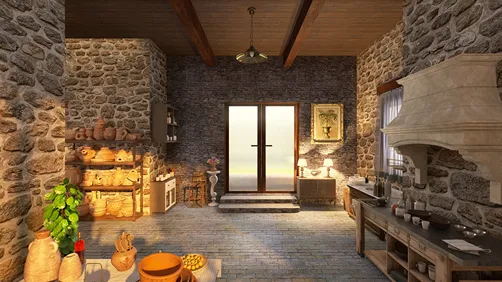
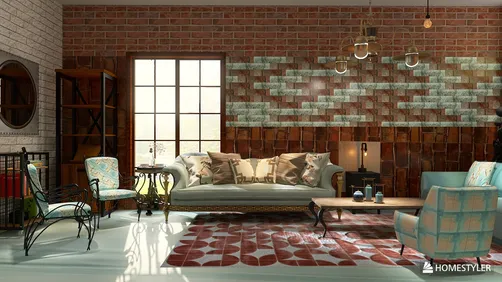
The 'Imperfect Design Space' refers to a conceptual interior design scenario where architectural flaws and material imperfections—such as cracked brick walls, oxidized metal surfaces, weathered wood, chipped ceramics, or exposed structural elements—are intentionally celebrated rather than concealed. This space transcends conventional notions of 'flawless' aesthetics; instead, it embraces authenticity, history, and tactile richness. It is commonly applied across residential lofts, heritage renovations, boutique hospitality interiors, and expressive living areas—where raw textures, patina, and visible repair become narrative devices that deepen spatial character and emotional resonance.
Design Challenges & Common Pitfalls
Balancing visual harmony with intentional disorder is the core challenge in Imperfect Design Spaces. Designers often struggle with overloading the space with too many distressed elements, resulting in visual chaos rather than curated authenticity. Other frequent issues include poor contrast management (e.g., mismatched tones in aged materials), inadequate lighting to highlight texture without casting harsh shadows, and misalignment between imperfect finishes and functional requirements (e.g., rust-prone fixtures in high-moisture zones). Additionally, integrating modern amenities seamlessly into a deliberately 'unfinished' aesthetic demands precise spatial planning and thoughtful layering—making indoor space planning critical to maintaining both integrity and usability.
✅ Embrace Material Honesty
Prioritize authenticity by selecting real reclaimed, aged, or naturally weathered materials—not faux finishes—whenever possible. Let cracks, grain variations, oxidation, and tool marks remain visible as intrinsic features. This principle rejects simulation in favor of storytelling: each imperfection should reflect time, use, or origin. In Homestyler AI design tools, leverage the 'Material Override' and 'Texture Realism' settings to accurately preview how real-world patina behaves under different lighting conditions—ensuring digital renders align with tactile intent.

Sandro Valeri’s 'open space1' demonstrates Material Honesty through its unvarnished wooden ceiling beams, exposed brick partition, and visibly grained concrete floor—all rendered with accurate light interaction in Homestyler. Rather than masking joints or inconsistencies, he uses them as rhythmic visual anchors. His Homestyler design technique includes adjusting HDR environment maps ('g_peoples_square_dawn') to cast soft directional light that accentuates natural wear, proving how indoor space planning and Homestyler design tricks can coalesce to elevate raw materiality.
Start Designing Free🎨 Curate Imperfection Strategically
Imperfection must be edited—not abandoned. Apply the 'Rule of Three': limit dominant imperfect elements to three per zone (e.g., cracked wall + oxidized shelving + chipped tile backsplash), and balance them with refined counterparts (smooth plaster ceiling, matte black hardware, seamless glass). This creates tension without clutter. Use Homestyler’s layer-based editing to isolate and test combinations—swap textures, adjust saturation, or mute reflections before committing—turning iterative digital experimentation into a disciplined curation process.

Sara HEMDESIGN’s 'Industrial flat2' applies Strategic Curation masterfully: exposed ductwork and blackened steel columns serve as bold imperfect anchors, while the warm leather sofa and minimalist coffee table provide calm counterpoints. Her Homestyler workflow includes using the 'Style Sync' tool to match aged metal tones across assets and applying custom ambient occlusion to deepen crevices—showcasing how Homestyler design techniques support deliberate imperfection control within tight indoor space planning constraints.
Create Your Rustics💡 Integrate Function Without Compromise
Never sacrifice ergonomics, safety, or longevity for aesthetic effect. Rustic beams must meet structural codes; cracked walls require backing reinforcement; oxidized metals need protective sealants. In Homestyler, use the 'Measurement Overlay' and 'Clearance Check' features during layout to verify walkways, appliance clearances, and fixture heights—even when designing around irregular geometry. This ensures that every imperfect gesture supports, rather than undermines, human-centered functionality.

Linda H’s 'Imperfect Design' integrates Function Without Compromise by framing a deliberately fractured masonry wall behind a fully accessible, ergonomically scaled bed platform—its edges softened with integrated LED uplighting. Using Homestyler’s 'Furniture Fit Test', she validated circulation paths before finalizing the layout. Her approach proves that even the most expressive imperfections must coexist with intelligent indoor space planning and practical Homestyler design techniques.
Design with PatinaFAQ
Q: Can I submit an Imperfect Design project created entirely in Homestyler without physical material samples?
A: Yes— Homestyler’s photorealistic rendering engine, especially with HDR environments like 'g_qwantani' and 'c_ljz_day', allows designers to authentically simulate material aging, texture depth, and light-reactive patina. Top winners—including Mary Leschinskay (Top 1) and Roberta Giulietti (Top 2)—relied solely on Homestyler’s AI-powered material library and lighting controls to convey tactile authenticity, proving that digital precision enables credible imperfect storytelling.
Q: How do I avoid making my Imperfect Design Space look 'neglected' instead of 'intentional'?
A: Intentionality is signaled through consistency—not randomness. Use Homestyler’s 'Style Palette Lock' to unify hue, saturation, and roughness values across all imperfect elements. As seen in Вячеслав idl-interiordesign’s award-winning bar ('Станція для офіціантів'), repeating a single oxidized copper tone across counter edging, shelving brackets, and pendant fixtures creates cohesion. Pair this with rigorous indoor space planning: anchor irregularities to fixed axes (e.g., align cracked brick grout lines with window mullions) to reinforce authorship.
Q: Are there Homestyler-specific tools optimized for Imperfect Design workflows?
A: Absolutely. Key tools include: (1) 'Texture Distress Slider' in the Material Editor for fine-tuning wear intensity; (2) 'HDR Sun Path Simulator' to preview how oxidation or rust reflects at different times of day; and (3) 'Imperfection Layer Toggle', which isolates flawed elements for A/B testing against clean versions—used extensively by Nathalie Jeanne Mang in her LOFT entry to refine brick wall prominence versus parquet warmth.

Modern Red Fabric Solid Wood Extra Large Sofa With Decorative Throw Pillows 3D Model
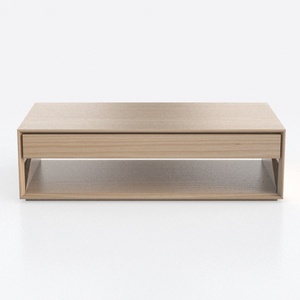
Minimalist Solid Oak Wood Coffee Table With Storage Drawer Open Shelf 3D Model
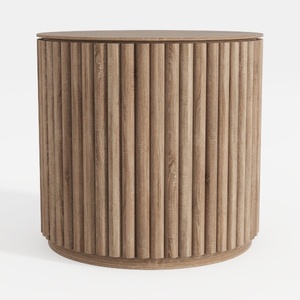
Minimalist Fluted Solid Wood Round Side Table 3D Model
Homestyler offers an easy-to-use online design tool with stunning 3D renderings, inspiring interior projects, and helpful DIY video tutorials—perfect for turning your home design ideas into reality effortlessly.
Дизайн сейчас бесплатно