Lone House Interior Design
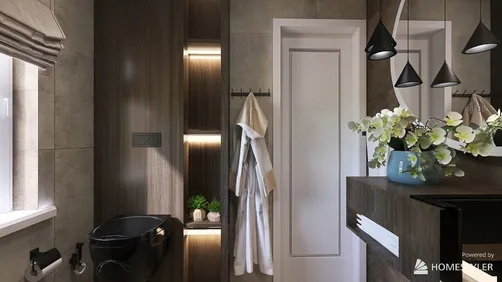
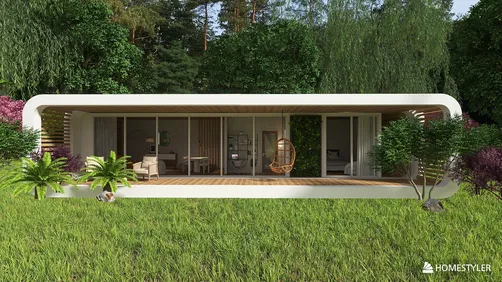
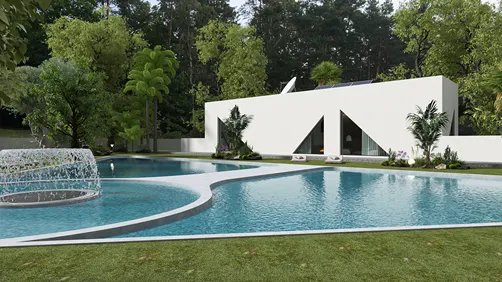
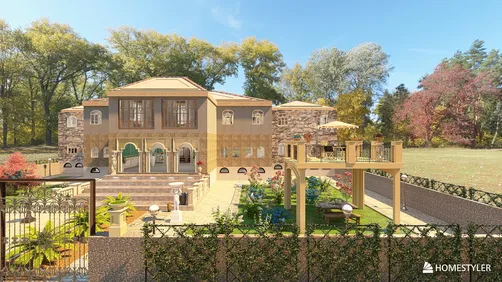
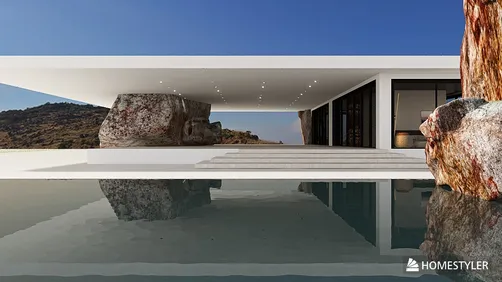
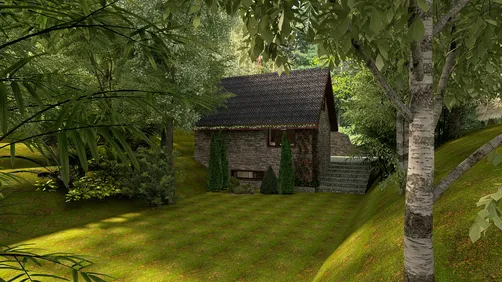
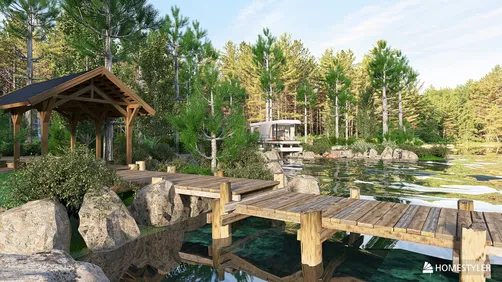
The 'Lone House' design challenge centers on creating a serene, self-contained residential interior — not defined by size or typology (e.g., cabin, villa, or mountain retreat), but by its core experiential purpose: intentional solitude. This scene represents a *personal sanctuary space* — a single-occupant or intimate-scale dwelling where tranquility, spatial calm, and emotional refuge are prioritized over social functionality or programmatic complexity. It emphasizes biophilic integration (views to nature, natural materials), minimalist layout logic, sensory comfort (soft acoustics, warm lighting, tactile surfaces), and uncluttered visual flow. Unlike conventional home design, the lone house prioritizes psychological well-being through architecture — making it a quintessential case study in mindful indoor space planning.
Design Challenges & Common Pitfalls
Designing a lone house interior presents unique challenges beyond typical residential projects. Key difficulties include: balancing privacy with connection to nature (e.g., large windows risk glare or loss of intimacy); achieving warmth and human scale in compact or irregular footprints (common in mountain or forest sites); avoiding visual monotony in minimal palettes without sacrificing coziness; integrating essential utilities (kitchen, bathroom, sleeping zone) into tight layouts without compromising flow or serenity; and ensuring long-term livability for solo occupants — including accessibility, storage efficiency, and adaptable zones for work, rest, and reflection. These issues demand precise interior space planning and thoughtful Homestyler design techniques to simulate real-world usability before construction.
✅ Prioritize Biophilic Integration
Nature is not just a view — it’s a structural design partner. Use large, frameless glazing oriented toward calming vistas (forests, mountains, sea), incorporate natural materials (wood ceilings, stone accents, linen textiles), and layer indoor greenery at multiple heights (floor plants, hanging vines, shelf moss). Avoid artificial substitutes — authenticity reinforces psychological grounding. Sunlight control (motorized shades, overhangs) ensures comfort across seasons while preserving views.

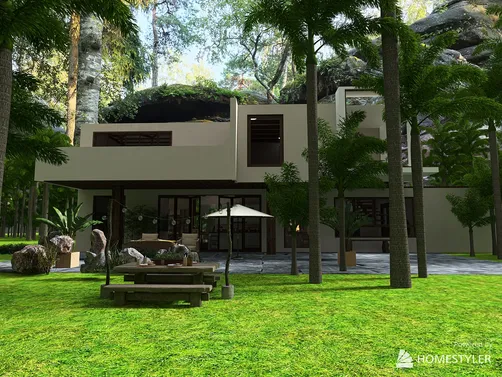
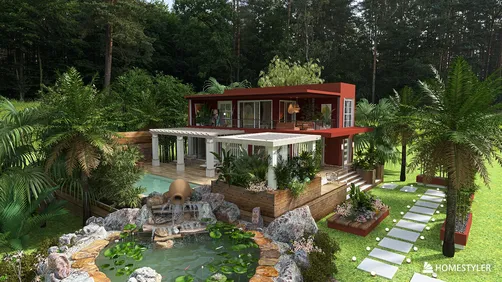
Encarni Fernandez Calero’s 'Casa aislada vacacional' exemplifies biophilic integration using Homestyler AI design tools: she positioned expansive sliding glass walls opening to a triangular garden, added recessed wooden ceiling beams to echo outdoor timber textures, and placed potted olive trees beside a low-profile sofa to blur indoor/outdoor thresholds — all simulated accurately in 3D render mode with HDR environment 'lilienstein' for realistic daylight behavior.
Design Your Cozy Space✅ Optimize Spatial Flow for Solitude
In a lone house, every transition must support quiet contemplation — not circulation for guests. Adopt an axial or looped circulation pattern that minimizes corridors; use level changes (slight steps, sunken lounges) or ceiling height shifts to define zones without doors. Maintain visual continuity between functional areas (e.g., kitchen counter aligned with lounge seating) to reinforce unity and reduce spatial fragmentation. Furniture should be scaled for one person — compact, low-profile, and easily reconfigurable — supporting flexibility without visual noise.

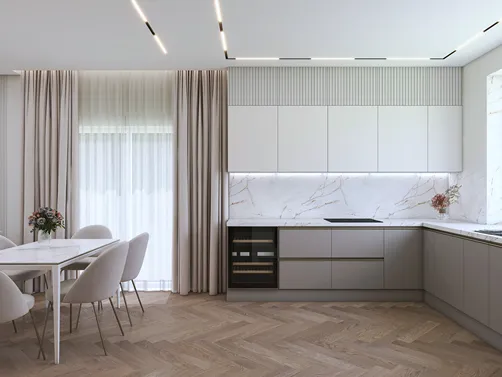
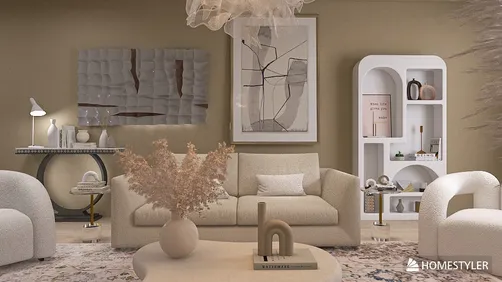
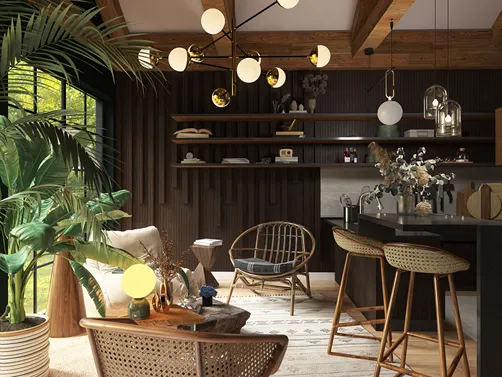
Ado Immo 3A’s 'CASA_SOLO' demonstrates intelligent spatial flow: Homestyler’s floorplan editor enabled seamless open-plan zoning — kitchen, dining, and balcony flow as one continuous volume via flush thresholds and matching oak flooring. A built-in window seat doubles as storage and meditation nook, while recessed LED coves guide movement without harsh directional lighting — proving how Homestyler design techniques streamline intuitive, solitary navigation.
Start Your Tranquil Design✅ Curate Minimalism with Tactile Depth
True minimalism in a lone house avoids sterility by emphasizing material contrast and haptic richness. Combine smooth plaster walls with rough-hewn wood cladding, pair matte black fixtures with hand-thrown ceramic lamps, or layer wool rugs over heated concrete floors. Limit color to 3–4 harmonious tones drawn from the surrounding landscape (e.g., slate gray, pine green, oat beige). Every object must serve function *or* emotional resonance — never both. This discipline elevates interior space planning from arrangement to curation.

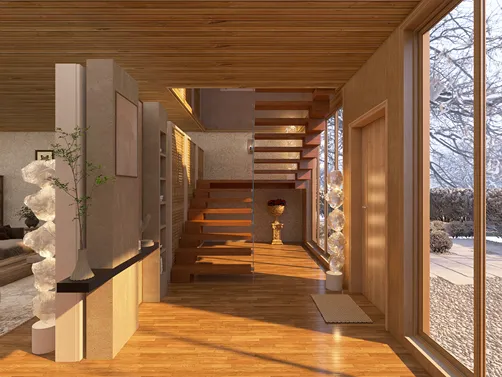
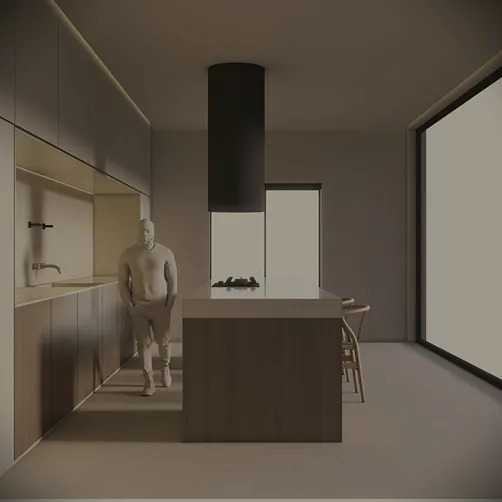
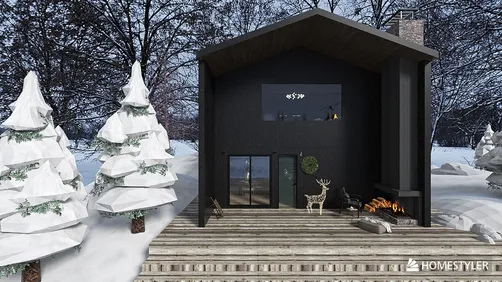
ROBERTA GIULIETTI’s 'Lone house in the snow' applies tactile minimalism masterfully: using Homestyler’s material library, she paired raw concrete columns with charred cedar wall panels and a live-edge walnut dining table — each surface rendered with accurate light interaction ('g_northern_snow' HDR). The absence of wall art is compensated by sculptural pendant lighting and textured linen banquettes, showing how Homestyler design tools help test material harmony before execution.
Create Your Serene RoomFAQ
Q: What does 'lone house' mean in this contest — is it only for cabins or tiny homes?
It refers to any self-contained residence designed for deep personal solitude — from alpine modern villas to coastal studios or desert adobe retreats. Size is secondary to intention: the space must prioritize tranquility, autonomy, and emotional restoration.
Q: Do I need professional architectural training to participate?
No. Homestyler’s intuitive interface and AI-assisted rendering make it accessible to beginners. Focus on spatial storytelling — how your layout, materials, and light evoke peace. Many top entries were created by hobbyists using Homestyler design techniques.
Q: Can I submit multiple designs for the same lone house concept?
Yes — but each submission must be a distinct interior space planning solution (e.g., different orientations, material palettes, or zoning strategies). Duplicates or minor variations won’t qualify.
Q: How important is realism vs. artistic interpretation in judging?
Judges value both: conceptual clarity (does the design communicate solitude?) and technical credibility (is the interior space planning functional and buildable?). Homestyler’s accurate lighting, scale, and material previews help bridge that gap.
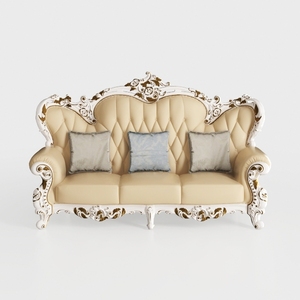
Baroque Luxury Leather Tufted Three Seat Sofa 3D Model
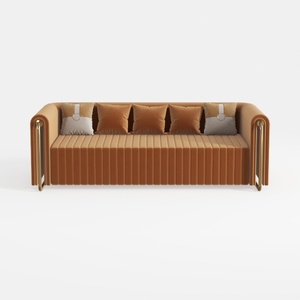

Modern Velvet Gold Metal Accent Channel Tufted Sofa 3D Model

Bohemian Rattan Round Coffee Table 3D Model
Homestyler offers an easy-to-use online home design tool with stunning 3D renderings, inspiring design projects, and helpful video tutorials. It’s perfect for anyone looking to visualize and create beautiful interior spaces effortlessly. Give your home a fresh new look today!
Дизайн сейчас бесплатно