Spring Retreat Design
The 'Spring Retreat' is a conceptual interior space designed to evoke seasonal renewal, emotional calm, and sensory harmony. It transcends literal room types (e.g., bedroom or kitchen) to represent a holistic *healing environment* — typically a compact yet multifunctional living area, sunroom, conservatory, or studio apartment — where nature, light, and tactility converge. Inspired by the Northern Hemisphere’s spring transition, this scene prioritizes biophilic immersion: abundant natural light, curated indoor greenery, soft acoustic textures, and spatial flow that encourages rest, reflection, and gentle social connection. It is not defined by function alone but by *intention*: to serve as an urban sanctuary grounded in warmth, authenticity, and seasonal optimism.
Design Challenges
Common challenges in Spring Retreat design include balancing vibrant seasonal color palettes without visual clutter; integrating three or more natural materials (wood, rattan, cotton, ceramics) while maintaining cohesive texture hierarchy; achieving sufficient natural light diffusion in compact or north-facing spaces; and avoiding clichéd 'spring' motifs (e.g., excessive floral prints) in favor of subtle, sophisticated botanical expression. Additionally, designers often struggle with scaling organic elements appropriately — oversized rattan chairs may overwhelm a 25 m² studio, while undersized ceramic accents can vanish in a 120 m² conservatory — making precise interior space planning essential.
🌱 Prioritize Natural Material Layering
Use at least three distinct natural materials — such as solid wood flooring, handwoven rattan seating, and unbleached cotton upholstery — not as isolated features, but as interwoven layers that create depth and tactile rhythm. Vary grain direction, finish (matte vs. lightly oiled), and scale: e.g., wide-plank oak floors ground the space, medium-weave rattan armchairs add mid-level warmth, and fine-linen cotton cushions provide soft, intimate top-layer texture. This layering reinforces authenticity and prevents material fatigue.

Natalia Gulnik’s 'Весенние оттенки уюта' masterfully applies natural material layering in a compact open-plan living-kitchen zone. She pairs light oak cabinetry (wood), a woven seagrass rug (rattan), and ivory cotton slipcovers on the sofa — each visible, intentional, and tonally unified. Using Homestyler AI design tools, she rapidly iterated material combinations under consistent daylight HDR ('g_peoples_square'), ensuring realistic light interaction across textures — a key advantage for validating tactile harmony before physical implementation.
Start Free Design🌿 Curate a Restorative Color & Light Palette
Anchor the palette in fresh greens (e.g., sage or mint), cherry blossom pinks (soft, dusty, not candy-like), and warm earthy tones (terracotta, oat, clay). Avoid saturated primaries. Instead, use these hues in diminishing saturation: dominant neutrals (earth tones) at 70%, secondary accents (greens) at 20%, and tertiary highlights (pinks) at 10%. Crucially, pair every color with calibrated natural light simulation — use Homestyler’s sunlight sliders and HDR environments (e.g., 'g_sunny_vondelpark') to test how colors shift from dawn to dusk, ensuring mood consistency across time.

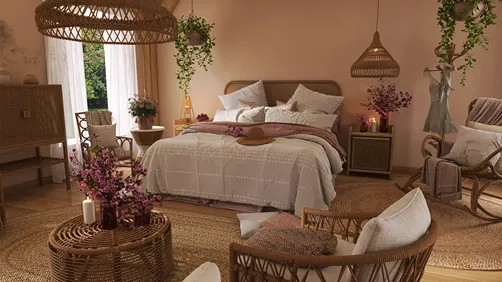
Encarni Fernandez Calero’s 'Suite primaveral' demonstrates refined color-light curation in a romantic porch-bedroom hybrid. She uses clay-toned walls (earth), sage-green velvet headboard (green), and blush-pink embroidered pillow trim (pink) — all rendered under 'city_park' HDR lighting. With Homestyler AI design tools, she adjusted window glazing transparency and virtual skylight angles to amplify diffused morning light, softening shadows and enhancing the luminosity of pale pinks without washing them out — a critical technique for authentic spring ambiance.
Begin Your Free Design🌸 Integrate Biophilic Elements with Spatial Intention
Move beyond potted plants as decor. Embed biophilia into spatial planning: position tall fiddle-leaf figs to define zones acoustically; install trailing pothos along shelf edges to soften vertical lines; use ceramic planters as functional object clusters (e.g., grouping three sizes on a wood console). Prioritize plant variety (foliage shape, height, texture) over quantity. Every green element must serve dual roles — aesthetic, spatial, thermal, or psychological — reinforcing the retreat’s healing purpose through deliberate interior space planning.

Nino Ochigava’s 'sketch 18' integrates biophilic intentionality in a serene bedroom: a monstera deliciosa placed beside the bed creates a natural screen between sleeping and dressing zones, while ceramic bud vases on nightstands echo the curve of rattan lamp shades — linking material and form. Using Homestyler AI design tools, she simulated seasonal light paths across months, confirming optimal leaf placement for dappled shadow patterns at 4 PM — proving how AI-powered interior space planning elevates biophilic design from decoration to experiential architecture.
Launch Free DesignFAQ
Q: Do I need professional interior design experience to participate in the Spring Healing Room contest?
Not at all. The contest welcomes all skill levels. Homestyler AI design tools offer intuitive drag-and-drop functionality, real-time 3D rendering, and smart material suggestions — empowering beginners to execute professional-grade Spring Retreat concepts with confidence.
Q: Can I use more than four tools in my design submission?
No — the contest enforces a strict tool limit of four per design, as specified in the official rules ('toolLimits':[4]). This constraint encourages focused creativity and strategic use of Homestyler’s most impactful features (e.g., sunlight control + material library + furniture layout + plant generator).
Q: How important is interior space planning when designing a Spring Retreat?
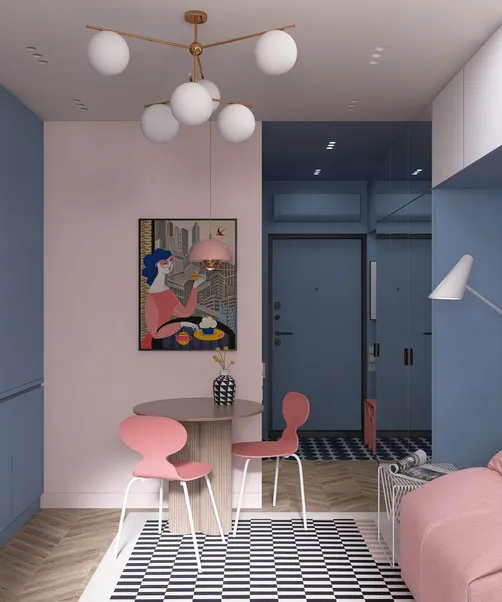
Critical. Because Spring Retreats are often compact (e.g., Marina Arkhireeva’s 25 m² Neo-Memphis studio), efficient interior space planning determines whether natural materials, greenery, and light coexist harmoniously — or compete for attention. Proper zoning, circulation flow, and vertical layering are foundational to achieving both visual calm and functional vitality.
Q: Are video submissions accepted for the Spring Healing Room contest?
Yes — video entries are permitted and featured among top designs (e.g., Andi Padmandi’s 'Spring Healing in kf'). Videos must be rendered in 720P Fast mode and showcase dynamic elements like light transitions or plant movement, adding narrative depth to your Homestyler design story.
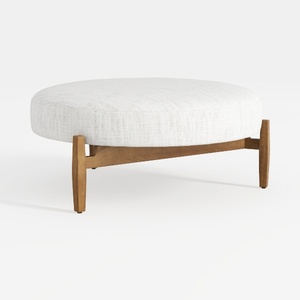

Minimalist Mid Century Fabric Round Ottoman 3D Model
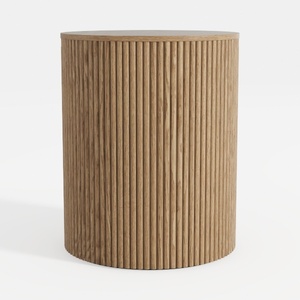
Minimalist Fluted Oak Round Side Table 3D Model
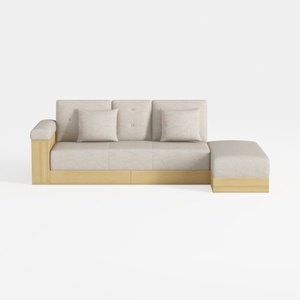
Minimalist Linen Solid Wood Sectional Sofa 3D Model
Homestyler offers an easy-to-use online home design tool complete with stunning 3D renderings, inspiring design projects, and helpful DIY video tutorials. It’s perfect for anyone looking to create beautiful interior spaces with confidence and creativity.
Дизайн сейчас бесплатно