Spring Retreat Interior Design
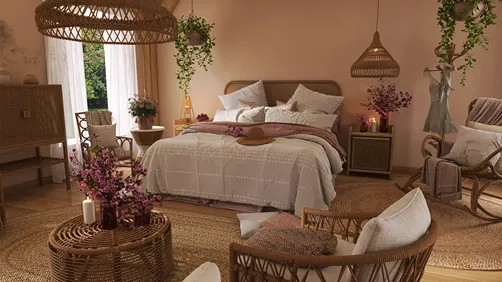
The 'Spring Retreat' design theme centers on creating restorative, nature-connected interior spaces that evoke seasonal renewal—especially for compact or multi-functional living areas such as studio apartments, sunrooms, conservatories, and open-plan living-dining zones. Drawing from the contest brief—'a cozy, vibrant space that captures the essence of spring'—this scene emphasizes biophilic principles: abundant natural light, immersive greenery, tactile organic materials (wood, rattan, cotton, ceramics), and a curated palette of fresh greens, cherry blossom pinks, and warm earthy tones. It transcends literal 'spring decor' to become a holistic indoor space planning strategy focused on emotional wellness, sensory comfort, and seamless indoor-outdoor harmony—even in urban settings.
Design Challenges & Common Pitfalls
Designing a compelling Spring Retreat space often faces three recurring challenges: (1) Overloading with seasonal color—cherry pink and mint green can quickly feel saccharine or disjointed without grounding neutrals and tonal layering; (2) Prioritizing aesthetics over function—e.g., placing too many plants without considering light access, watering logistics, or spatial flow; and (3) Misusing natural materials—rattan or raw wood may appear rustic but clash if finishes, scales, or proportions aren’t harmonized with the room’s architecture and human scale. These issues undermine the core goal: crafting a serene, lived-in retreat—not a themed photoshoot set.
✅ Prioritize Natural Light & Airy Spatial Flow
Maximizing daylight is foundational—not just for energy efficiency, but for psychological uplift and plant vitality. Use sheer linen curtains, mirrored accents opposite windows, and light-reflective surfaces (e.g., ceramic tiles, whitewashed wood). Avoid heavy furniture blocking sightlines; instead, choose low-profile, leggy pieces that preserve visual continuity. In compact layouts, strategic mirror placement expands perceived volume while amplifying spring’s luminosity.

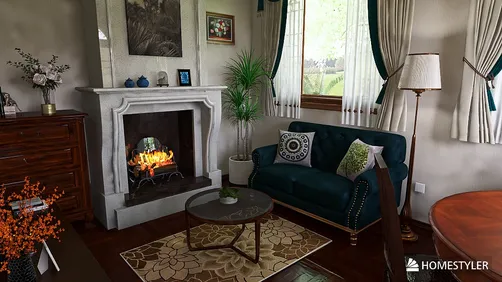
Designer Aseel Idriss (‘ground floor for villa with rustic style’) masterfully applies this principle in her Homestyler-rendered living space: large unobstructed windows flood the room with soft daylight, while a light oak coffee table and airy rattan armchair maintain openness. Using Homestyler’s real-time sunlight simulation (HDR: g_ljz_day), she tested multiple curtain opacity levels and furniture placements—ensuring no shadow traps or glare points. Her indoor space planning balances intimacy and expanse, proving that even grounded rustic elements can support airiness when proportionally calibrated.
Design Your Spring Now🌿 Curate Organic Materials with Intentional Texture Contrast
Go beyond simply 'adding wood'—focus on textural storytelling. Combine smooth ceramic vases with nubby cotton throws, matte rattan pendants with polished walnut shelving, or rough-hewn timber beams against soft plaster walls. This contrast adds depth, tactility, and authenticity—key to evoking spring’s layered natural world. Limit to 3–4 dominant natural material types to avoid visual noise, and ensure at least one is structural (e.g., exposed ceiling beams or reclaimed flooring) for groundedness.

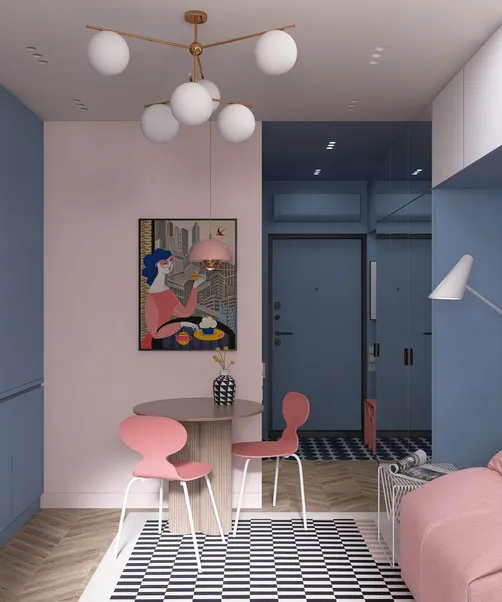
Marina Arkhireeva (‘Neo-Memphis studio apartment’) demonstrates sophisticated organic material layering within a tiny footprint: a solid ash dining table anchors the space, paired with handwoven seagrass stools and ceramic pendant lights. Her Homestyler AI design technique involved swapping dozens of material swatches in real time—testing how each finish interacted with simulated daylight (HDR: g_ljz_day) and adjacent colors. The result is a cohesive yet dynamic tactile narrative where every natural element feels purposeful—not decorative—and supports the studio’s dual role as creative sanctuary and functional home.
Free Spring Space Plan🌸 Layer Seasonal Color Through Living Elements & Soft Furnishings
Resist painting walls ‘cherry blossom pink’. Instead, introduce spring’s palette organically: via flowering plants (e.g., cherry blossoms, hyacinths, ferns), botanical-print cotton cushions, moss-green ceramic planters, or blush-toned wool rugs. Use earthy base tones (warm taupe, oat, clay) as neutral backdrops—then let living greens and soft pinks emerge as accents. This approach ensures longevity beyond spring and aligns with sustainable indoor space planning: color evolves naturally with seasons and plant growth.

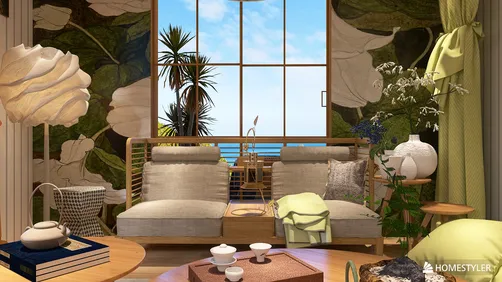
Amy ✨ (‘Project: Spring Healing (2)’) builds her seasonal palette around living systems—not paint chips. Her Japanese-inspired tea house features potted cherry saplings beside shoji screens, moss-lined indoor pond edges, and cotton napkins dyed with sakura petals. Using Homestyler’s AI-powered plant library and material preview tools, she iterated over 12 foliage combinations to achieve balanced chromatic rhythm—ensuring no single pink or green overwhelmed the composition. Her approach exemplifies how Homestyler design techniques empower designers to prototype biophilic color strategies before physical implementation.
Start Your Spring DesignFAQ
Q: What are the mandatory material and color requirements for the Spring Healing Room contest?
Entries must incorporate at least three natural materials—such as wood, rattan, cotton, or ceramics—and use a palette anchored in fresh greens, cherry blossom pinks, and earthy tones to evoke spring’s rejuvenating spirit.
Q: Can I submit a design for a non-residential space (e.g., a boutique or wellness studio)?
Yes—the contest welcomes any interior space that fulfills the ‘spring retreat’ concept, including commercial wellness studios, cafés, or co-working lounges—as long as it prioritizes natural materials, seasonal color harmony, and restorative ambiance.
Q: How does Homestyler AI assist with spring-themed indoor space planning?
Homestyler’s real-time 3D rendering, HDR lighting simulation (e.g., g_ljz_day, g_sunny_vondelpark), and AI-powered material swatching enable precise testing of natural light behavior, plant placement viability, and color-material interactions—critical for effective spring-themed indoor space planning without physical trial-and-error.
Q: Are video submissions accepted, and what do top-performing videos emphasize?
Yes—video entries like Andi Padmandi’s ‘Spring Healing in kf’ (Top 5) succeeded by showcasing dynamic spatial flow, time-of-day light transitions, and close-ups of natural textures (rattan weaves, ceramic glazes, cotton weaves), proving how Homestyler design techniques elevate storytelling beyond static renders.
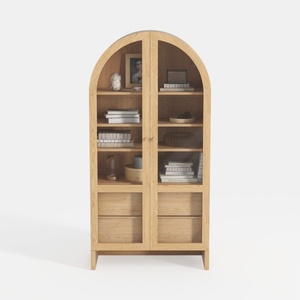
Minimalist Solid Wood Arched Display Cabinet 3D Model
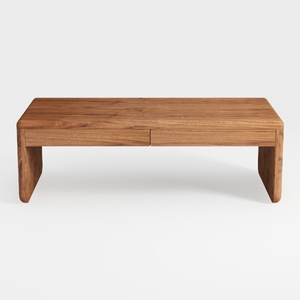
Minimalist Solid Wood Two Drawer Coffee Table 3D Model
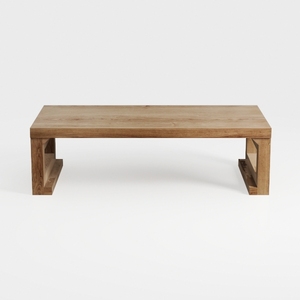
Bed Table Bed Desk Living Room Simple and Creative
Homestyler is a user-friendly online platform that lets you design your home with ease. Explore a rich collection of 3D renderings, access inspiring design projects, and learn through helpful DIY video tutorials—all in one place. Perfect for turning your ideas into reality.
Дизайн сейчас бесплатно