Imperfect Living Space Design
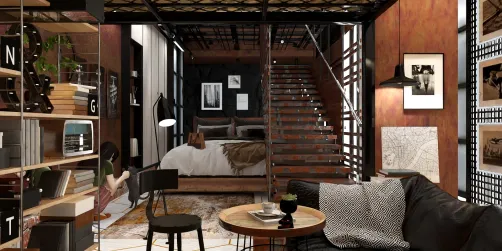
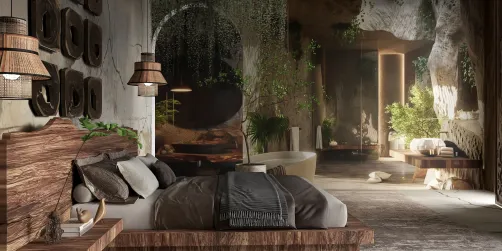
The 'Imperfect Living Space Design' scenario centers on embracing intentional imperfection as a core aesthetic and functional principle—not as a compromise, but as a celebration of authenticity, texture, and narrative depth. Drawing from the 'Imperfect Design for App' contest theme, this scene reimagines living areas (e.g., living rooms, open-plan lounges, or hybrid gathering zones) where cracked brick walls, oxidized metal accents, chipped ceramic displays, weathered wood, and rustic stone become curated design elements—not hidden flaws, but focal points. It prioritizes tactile richness, layered materiality, and human-centered warmth over sterile perfection, leveraging Homestyler’s real-time 3D rendering to visualize how raw textures interact with light, furniture layout, and spatial flow—making interior space planning both intuitive and expressive.
Design Challenges & Common Pitfalls
Designing imperfect living spaces carries unique challenges: balancing visual chaos with cohesion, avoiding unintended clutter or dilapidation cues, ensuring material imperfections read as intentional rather than neglected, and maintaining functionality (e.g., seating comfort, circulation, lighting efficacy) amid expressive textures. A frequent misstep is overloading surfaces with distressed elements without hierarchy—resulting in visual fatigue instead of character. Another is neglecting scale and proportion: a single cracked wall reads bold; three mismatched cracked walls may read disordered. Successful interior space planning here demands deliberate editing, tonal consistency, and strategic contrast—where ‘imperfection’ serves composition, not distraction.
✅ Prioritize Texture Hierarchy & Focal Anchors
Establish one dominant imperfect element as the room’s anchor—such as a reclaimed brick accent wall, an oxidized steel coffee table base, or a display of intentionally chipped ceramics—and let all other textures support, not compete with, it. Use Homestyler’s layer-based modeling to isolate and refine each material’s reflectivity, grain, and wear pattern, ensuring visual rhythm rather than randomness. This prevents sensory overload and guides the eye naturally through the space.

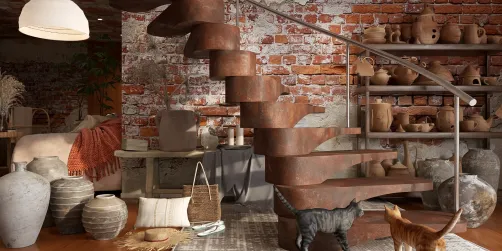
Sonia Interior Decor’s unnamed living room design exemplifies texture hierarchy: the oxidized metal frame of the pendant light and subtle grain variation in the wooden shelving act as quiet counterpoints to the bold, hand-textured ceramic vases on display—each piece visibly imperfect yet cohesively curated. Using Homestyler AI design tools, she simulated how natural light interacts with the matte ceramic surfaces versus the reflective metal, fine-tuning placement for balanced contrast—proving that thoughtful interior space planning elevates imperfection into intention.
Start Free Design🎨 Integrate Natural Elements for Organic Softening
Imperfection gains warmth and humanity when paired with organic, living components—indoor plants, raw-edge wood furniture, linen textiles, or stone accents. These elements introduce variability, soft edges, and biophilic grounding that offset industrial or aged materials. In Homestyler, use the plant library and real-time shadow simulation to test how foliage casts dynamic, irregular shadows across textured walls—enhancing depth and reinforcing the 'alive, evolving' ethos of imperfect design.

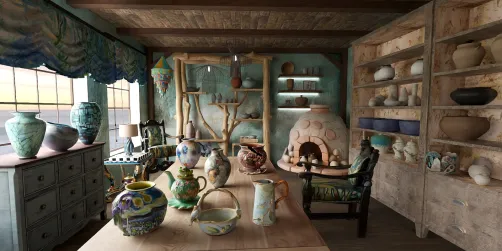
Arwen Arianus’s 'The Potter’s Studio' uses abundant potted greens, woven baskets, and unglazed, finger-marked clay vessels to soften the rustic brick floor and exposed ceiling beams. Her Homestyler AI design process included iterative lighting tests—adjusting window placement and lamp angles to cast gentle highlights on ceramic curves while letting stems dapple the wall with organic shadow patterns. This demonstrates how Homestyler design techniques transform static imperfection into a breathing, light-responsive environment.
Begin Free Design💡 Curate Imperfection with Narrative Intent
Every imperfect element should tell part of a story—whether cultural (hand-thrown ceramics), temporal (reclaimed timber with visible nail holes), or personal (a mended ceramic bowl displayed proudly). Avoid decorative 'distressing' without meaning. Use Homestyler’s annotation and comment features to tag design decisions (e.g., 'oxidized steel shelf brackets — reference 19th-century forge hardware') so intent remains clear during collaboration or client review—a key Homestyler design technique for persuasive, concept-driven interior space planning.

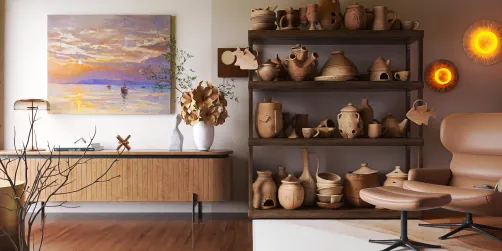
Em Leech’s 'Beachy Calm' tells a coastal narrative through its ceramic curation: asymmetrical, salt-glazed vessels sit alongside driftwood shelves and dried sea grass—each piece bearing visible firing variations or glaze runs. Using Homestyler’s camera-path walkthrough, she verified sightlines from entry to shelf, ensuring every chipped rim and uneven foot was legible and purposeful—not accidental. This reinforces how Homestyler AI design tools empower designers to embed meaning into material choice, turning interior space planning into storytelling.
Launch Free DesignFAQ
Q: How can I avoid making an 'imperfect' space look messy or unfinished?
Focus on restraint and repetition: choose one or two imperfect material types (e.g., only oxidized metals + handmade ceramics), repeat their finish consistently across multiple objects, and anchor them with clean-lined, neutral furniture. Homestyler design techniques like material cloning and batch-editing help maintain finish integrity across elements.
Q: Is Homestyler suitable for visualizing highly textured or irregular surfaces like cracked plaster or rusted steel?
Yes— Homestyler v4 supports PBR (Physically Based Rendering) materials with adjustable roughness, metallic, and normal maps. Upload custom texture swatches or use built-in 'weathered' presets, then validate realism via real-time sun-shadow simulation and multi-angle camera views.
Q: Can I apply 'imperfect design' principles to small apartments without sacrificing function?
Absolutely. Imperfection thrives in micro-spaces: try a single reclaimed wood accent wall behind a compact sofa, hand-thrown ceramic hooks for keys, or a deliberately mismatched set of vintage stools. Homestyler’s smart furniture arrangement and dimension-aware collision detection ensure every imperfect object fits precisely within tight interior space planning constraints.
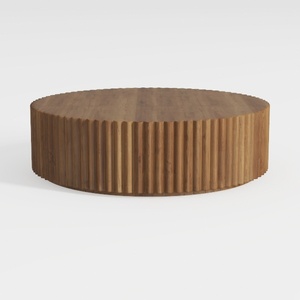
Minimalist Solid Wood Fluted Round Coffee Table 3D Model
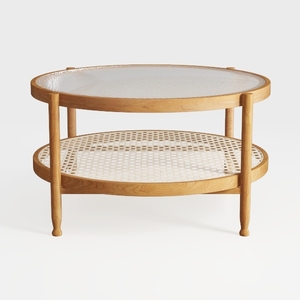
Minimalist Oak Rattan Glass Top Round Coffee Table 3D Model
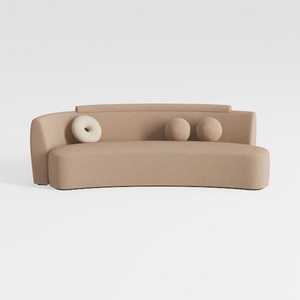

Yozma Curved Chenille Sectional Sofa Beige, Dual D
Homestyler offers an easy-to-use online home design tool with stunning 3D renderings, inspiring design projects, and helpful video tutorials. It’s perfect for turning your interior decoration ideas into reality effortlessly. Give your space a fresh look with Homestyler!
Дизайн сейчас бесплатно