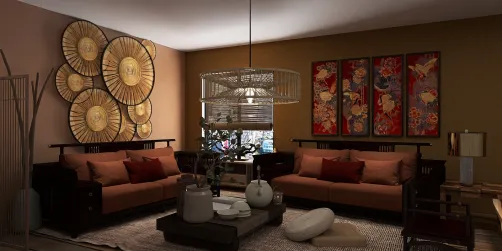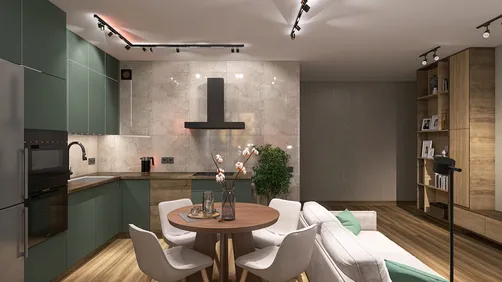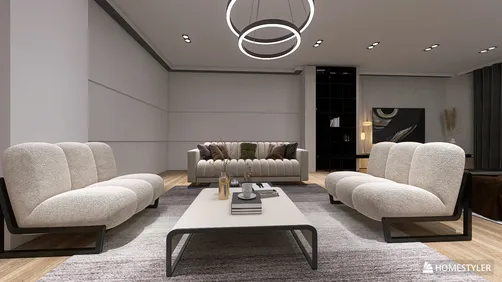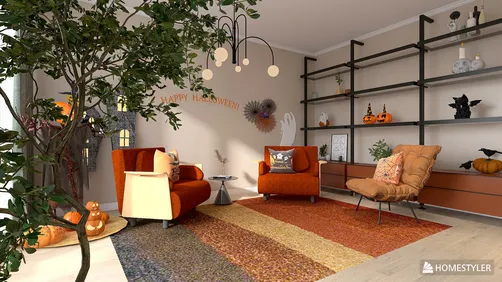
As we look to the future, today's homes are often hindered by issues such as noise, storage constraints, and fragmented routines. Research from NAHB indicates that over 50% of homebuyers prioritize flexible living spaces and efficient movement within a home above mere square footage. This is where a well-designed 3 BHK apartment floor plan comes into play, resembling early firmware that sets the stage for daily living. It acts as a spatial reasoning tool, embedded in the architecture, that anticipates how families will manage their time and privacy.
Core Area + Dual Peace Zones
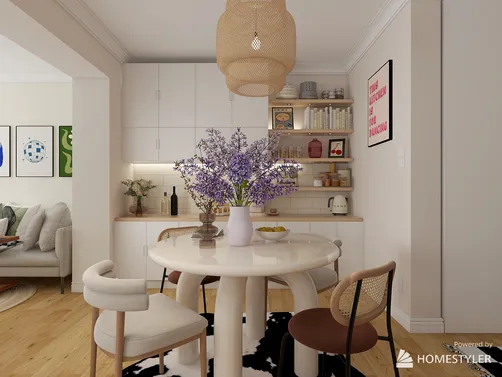
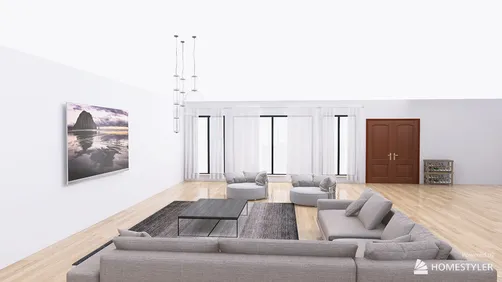
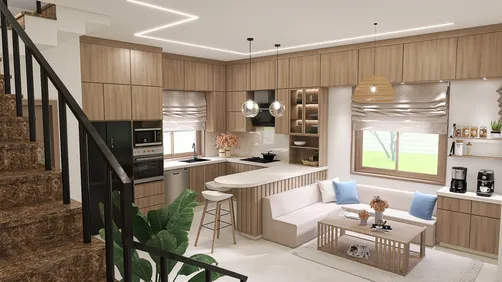
Design Concept: A central hallway organizes the living room, dining area, and kitchen, similar to a shared bus route, with two bedrooms strategically placed at opposite ends—reflecting the necessity for parallel threads of privacy in future living.
Flow: Entry → drop zone → kitchen hub → living area → bedroom branches; this sequence keeps movements smooth and prevents unnecessary overlap.
Sightlines: A long axis connects to the balcony to prioritize daylight, while secondary sightlines provide privacy to the bedrooms without losing visibility.
Storage: Integrated wall units serve as temporary storage, with linen closets near the bathrooms and a pantry area ensuring efficient kitchen flow.
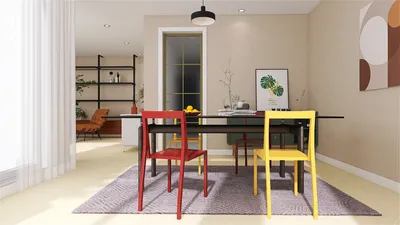
Furnishing Dimensions: Sofas with a depth of 38–40", a dining table measuring 72" x 36", and queen beds featuring a 36" clearance—these specifications ensure a stable circulation.
Conclusion: Over the course of five years, this structural design can combat clutter and effortlessly accommodate the rhythms of hybrid work without compromising functionality.
save pin
Split Suite + Versatile Third Room
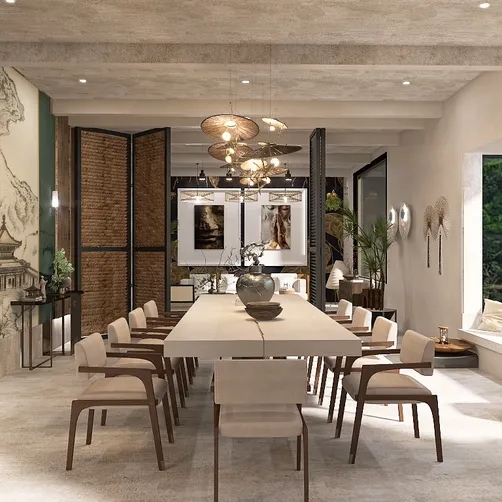
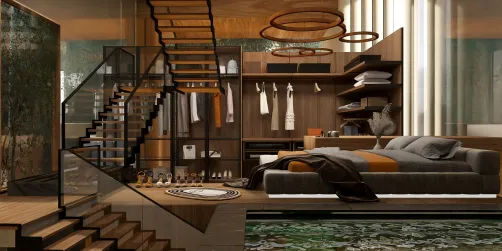
Design Concept: The primary suite is secluded behind a short airlock, while the third room can transform from a home office during the day to a guest room at night, accommodating the complexities of modern living.
Flow: Private loop: bedroom → wardrobe → bathroom; public loop: entry → living space → office; these loops converge at the kitchen, which acts as the operational hub.
Sightlines: A controlled opening from the living space to the study via pocket doors allows for adjustable information visibility, akin to a dimmer switch.
Storage: Wardrobe walls function as structured systems; a Murphy bed in the third room can provide temporary storage space when hosting guests.
Furniture Dimensions: Desk measuring 60" x 28", a Murphy bed with a footprint of 66" clear, and a modular sofa with 18" side tables ensure an efficient layout.
Conclusion: This split arrangement is designed to withstand increases in remote work needs and accommodate seasonal visitors, all without needing to overhaul the existing space.
save pin
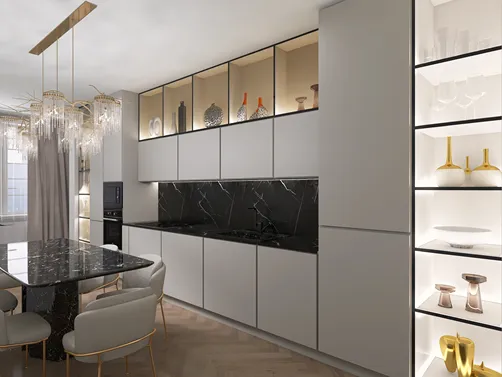
Kitchen as Functional Hub + Balcony as Relaxation Zone
Design Concept: The kitchen island serves as the core for meal preparation, homework, and quick meetings, while the balcony acts as an analog zone to mitigate noise.
Flow: Pantry → preparation → cooking → serving → kitchen island → balcony; this streamlined sequence reduces unnecessary movement and heat transfer.
Sightlines: Views from the island towards the entry support social interactions, with additional sightlines towards the living area for supervision and outward views to the sky for mental relaxation.
Storage: Base units with a depth of 24", vertical pull-outs, and overhead cabinets reaching up to 96" create tiers of accessible storage for various needs.
Furniture Dimensions: Kitchen island measuring 96" x 42" paired with 24" stools, and outdoor chairs with a 22" footprint; maintaining a dining buffer of 48" prevents congestion.
Conclusion: This cohesive kitchen design enhances daily functionality while the balcony acts as a stress-relief area after busy periods.
save pin
Final Insights
A 3 BHK apartment floor plan is more than just lines on paper; it embodies a dynamic system that balances privacy, efficiency, and adaptability. By employing strategic zoning, convertible spaces, and intelligent storage solutions, this design operates like a future-ready platform for everyday living. Through my work, I've observed that the most advanced homes will not necessarily be larger, but rather more intentional; and the emphasis on clear flows is fundamentally transforming how individuals occupy their spaces, often facilitated by tools like Homestyler.

Homestyler is your go-to home design platform! Its user-friendly online design tool makes creating beautiful spaces a breeze. Explore stunning 3D renderings and gain inspiration from diverse design projects. Plus, learn through engaging DIY video tutorials—perfect for all skill levels!