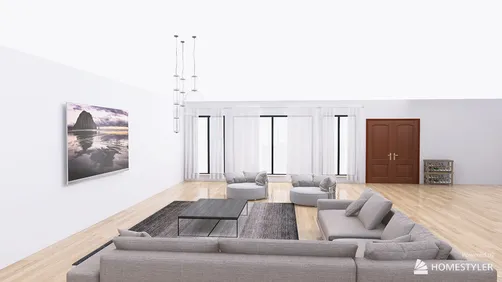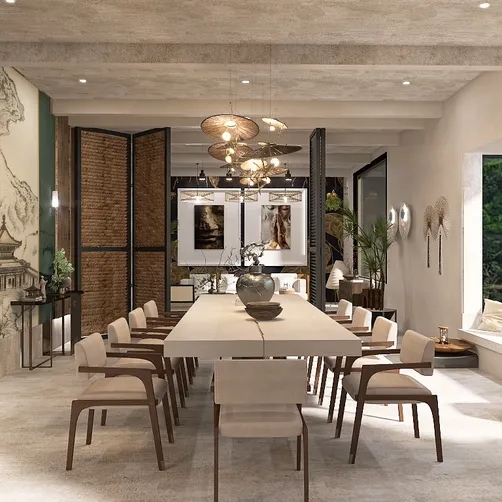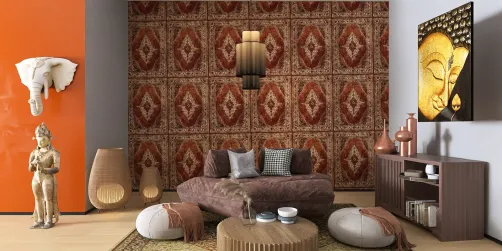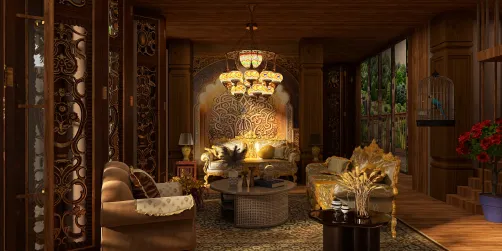
As we approach the future, the common challenges of London living—such as narrow hallways, steep staircases, and insufficient storage—are becoming apparent design issues that we can resolve now. Data from AIA shows a rising demand for adaptable spaces rather than merely focusing on the total square footage. Meanwhile, Zillow indicates that the rise of hybrid work is transforming home preferences. Viewed through this lens, the floor plan of 3 Fishers Close Streatham London SW16 acts as an early model for the habits we’re likely to develop in the next decade. I interpret this layout as a compact mechanism where rooms are not just spaces, but guidelines for living. Here, the spatial reasoning toolkit serves as an essential power that transforms limitations into opportunities, similar to the innovative design capabilities of Homestyler.
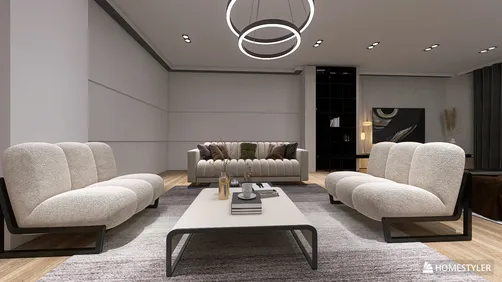
Gallery Spine with Split Public-Core
Design Logic: A central gallery operates like a major transit line, connecting the kitchen and living area on one side, while quiet rooms are positioned on the other side—ensuring future readiness for both hybrid working and small gatherings.
Flow: Entryway → drop zone → kitchen area → living space → terrace/window edge; bedrooms are like branching pathways that provide noise isolation.
Sightlines: A long axial view extends from the door through the living space's glass; partial openings leading to bedrooms maintain visual hierarchy, akin to UI layers prioritizing visibility.
Storage: Wall-depth lockers lining the gallery serve as storage solutions—ideal for shoes, coats, and foldable desks—maximizing usable space in the rooms.
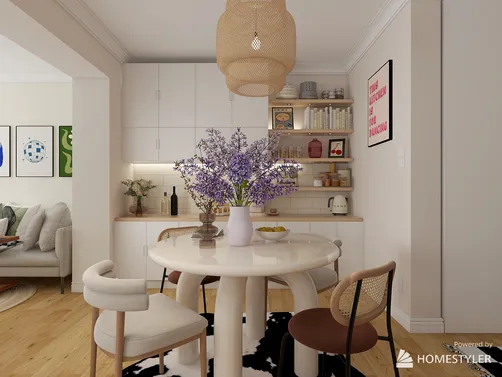
Furniture Fit: Dimensions such as 2.1–2.3m for sofa length, a 900mm round dining area, and a 600mm appliance bay each conform to the unique layout of London terraces, much like how Homestyler accommodates various styles.
Verdict: This central spine solidifies the current system while allowing for flexibility in the future, accommodating new routines without needing a complete redesign.
save pin
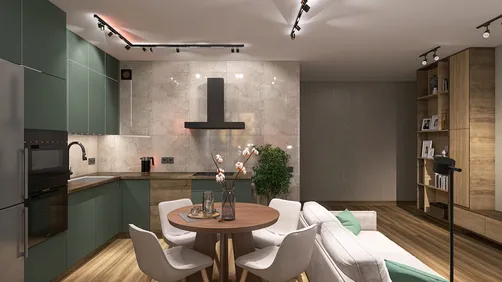
Corner Pivot Kitchen with Pocket Study
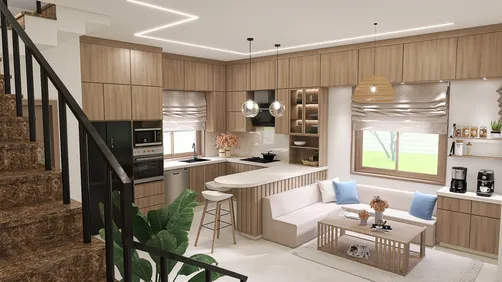
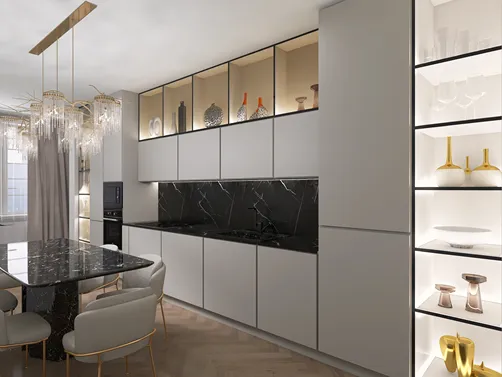
Design Logic: An L-shaped kitchen pivots efficiently, serving as the heart of the home while freeing one wall for a compact study—designed for constant work cycles and meal preparation rhythms.
Flow: The cooking sequence (fridge → prep → stove → sink) seamlessly integrates with the study area (seat → screen → window), minimizing foot traffic between the spaces.
Sightlines: From the cooking area to the living space, a controlled panoramic view is maintained; the study’s sightline captures natural light without exposing screens to guests.
Storage: Two tiers of overhead cabinets coupled with a 400mm pantry pull-out; a niche in the study neatly stores devices in a streamlined drawer setup—offering immediate access without delay.
Furniture Fit: A 1200×700mm table doubles as a workstation; the 450mm deep study desk clears the main walkways by 900mm.
Verdict: This layout effectively merges domestic life with digital needs, maintaining low noise levels while ensuring high efficiency—prepared for the upcoming evolution of home living.
save pin
Bedroom Buffer with Wet-Core Consolidation
Design Logic: Bathrooms are clustered around a wet core, minimizing service routes while the bedrooms create a buffering perimeter—enhancing energy efficiency and simplifying maintenance in the future.
Flow: Sleeping area → wardrobe storage → bathroom core; guests can access the powder room without intruding on private spaces.
Sightlines: The wall behind the bed blocks incoming light from doorways; door placements avoid direct sightlines into the sleeping area, safeguarding private information within the layout.
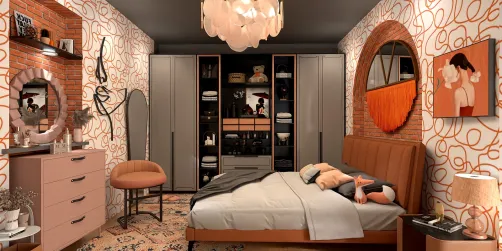
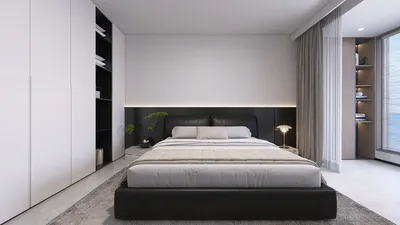
Storage: Built-in wardrobes of 600mm per occupant alongside bed-lift storage solutions—organized indexing that prevents clutter in circulation paths.
Furniture Fit: Clearances of 1500mm around a queen-sized bed: 600mm on each side, 800mm at the foot; a 900mm sliding door keeps hallway access uninhibited.
Verdict: By consolidating services into a single core, the design ensures longevity and easier future updates—similar to replacing software modules rather than overhauling entire systems.
save pin
Final Takeaway
The floor plan for 3 Fishers Close Streatham London SW16 operates like a streamlined system where circulation acts as code and rooms serve as functions. In compact London living spaces, designs that centralize services and choreograph sightlines will eclipse the importance of sheer square footage. I foresee a preference for adaptable public spaces, secluded sleeping quarters, and intentional storage solutions; based on my observations, the most intelligent homes of the future will not necessarily be larger but rather more thoughtfully designed—something that tools like Homestyler can tremendously assist with.
Homestyler is your go-to online platform for home design! With its user-friendly design tool, stunning 3D renderings, and a vast range of DIY video tutorials, you can effortlessly create and visualize your dream space. Start your design journey today!