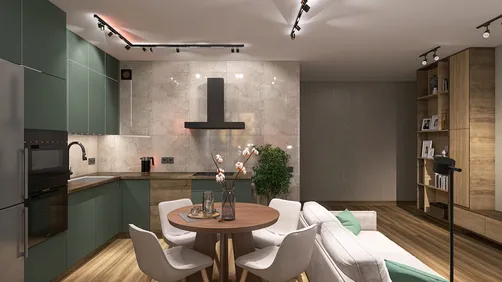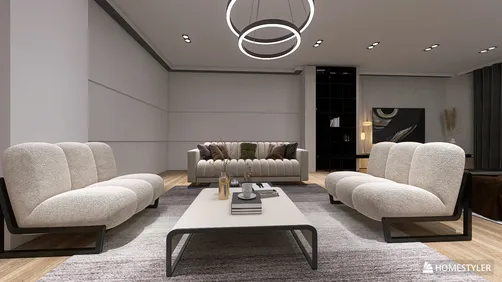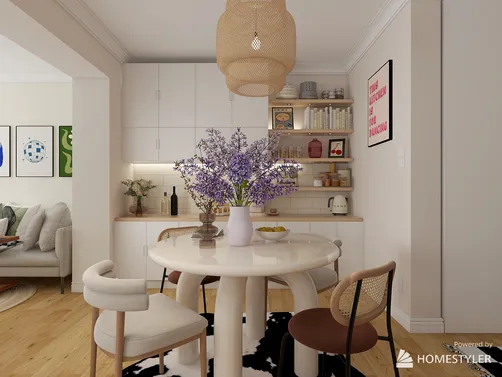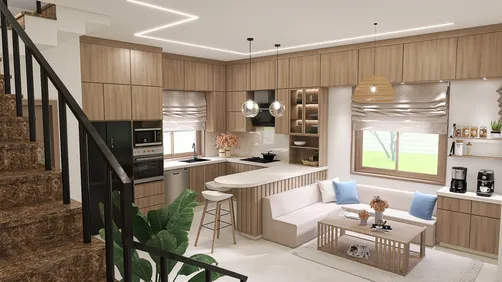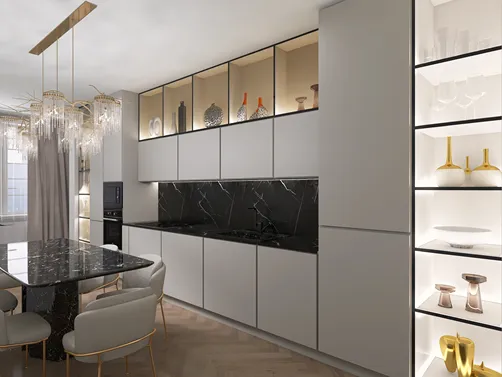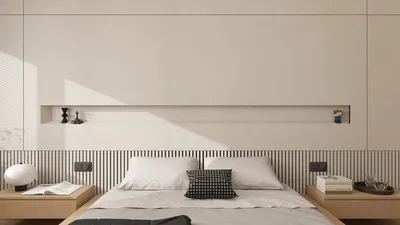
As we look ahead, our homes must adapt to accommodate greater functionality within the same square footage, even as challenges like storage issues, hectic morning routines, and privacy concerns continue to arise. According to AIA trends, there is a consistent demand for versatile spaces and improved hygiene in mudrooms. Zillow indicates that homebuyers are increasingly valuing practical layouts over sheer size. Within this context, the design of 4-bedroom, 2.5-bathroom floor plans serves as a blueprint for how modern family dynamics will evolve.
spatial reasoning toolkit
Courtyard Spine with Split Primary
Design Foundation: The primary suite is located on the main floor while three bedrooms are situated upstairs; a narrow courtyard functions as a thermal and social buffer. This design anticipates hybrid work environments and multigenerational sleep patterns, effectively reducing noise while maintaining shared outdoor spaces.
Flow Pattern: Entryway → drop-off zone → kitchen center → courtyard circulation → stairs → children’s area; similar to a predictable function that returns you close to storage on every visit.
Sightlines: Diagonal framing leads from the island to the courtyard and stair landing; privacy levels vary at bedroom entrances, becoming more open at the garden area.
Storage Solutions: A pantry built into the wall, under-stair bulk storage, and a wardrobe in the primary bedroom ensure that essentials are within easy reach to facilitate smooth mornings.
Furniture Configurations: A dining area measuring 10-11 ft, a 9x12 seating arrangement, and a primary suite with a 30" clear passageway are meticulously designed to prevent overwhelming the living space.
Conclusion: This layout offers a serene center with controlled boundaries, perfect for years of remote work, youth activities, and seasonal gatherings without disruptions.
save pin
Dual-Entry Jack-and-Jill Cluster
Design Strategy: Two secondary bedrooms are equipped with a shared Jack-and-Jill bathroom, while a third bedroom functions as a flexible studio. A half bathroom positioned on the main floor facilitates traffic without obstructing full bathrooms required for sleep schedules.
Flow Dynamics: Garage → mudroom bench → powder room → kitchen → living space → hallway → children’s suite; weekday routines operate efficiently, mimicking a well-structured program with few errors.
Sightlines: A low-gloss corridor unveils the living area and backyard in a measured way; room doors are positioned to avoid direct views into sleeping areas, resembling layers of user interface materializing only when needed.
Storage Features: A wall of tall cabinets in the laundry area, a linen tower between the children's rooms, and a hidden hobby closet in the studio keep vertical space optimized to prevent clutter in shared areas.
Furniture Arrangement: A 12' wall for entertainment, wall space for twin XL beds with a 24" nightstand, and desk spaces with a 48" depth are designed to manage technological integration without congesting movement.
Conclusion: This plan effectively manages the dynamics of sibling interactions, ensuring that morning activities flow smoothly without interruptions due to overlapping users.
save pin
Great Room + Rear Suite, Work-First Entry
Design Concept: A pocket office situated near the main entry seamlessly accommodates deliveries and quick calls, while a rear primary suite offers a buffer to the outdoor space. This layout considers the logistics of daily life and the need for relaxation after a long day.
Flow Mechanism: Porch → hallway → pocket office/half bath → kitchen hub → great room → rear suite; this sequence creates a natural and tranquil progression through the home.
Sightlines: Connecting the island to the fireplace and garden axis; the office view is tempered by reeded glass, allowing for visual access without the intrusion of noise.
Storage Organization: A dual-entry laundry with a dedicated folding area, a walk-through pantry leading to the garage, and a bench with shoe storage are strategically placed to minimize clutter at major entry points.
Furniture Layout: A 13' sofa wall, a 5-seat kitchen island, and a king-sized bed with ample clearance alongside ensure that each module fits perfectly within the overall structure, preventing crowding.
Conclusion: This home design operates much like a thoughtfully constructed server—quick on the surface while providing a tranquil backdrop, adapting seamlessly as tools and activities change.
save pin
Final Insights
In designing four-bedroom, two-and-a-half-bath homes, it’s essential to view rooms as flexible modules rather than static entities. This approach to floor plans—including courtyard spines, clustered bathrooms, and entries that prioritize work—ensures adaptability without increasing total square footage. I approach the design of these 4-bedroom layouts much like developing software: they are versioned, easily modified, and comprehensible through varying seasons; based on my experience, minor spatial adjustments significantly impact daily living more than any superficial enhancements.
Homestyler is an exceptional online home design platform that empowers you to create stunning spaces effortlessly. With its user-friendly design tool, impressive 3D rendering features, and a wealth of DIY video tutorials, turning your design dreams into reality has never been easier. Dive in and start designing today!