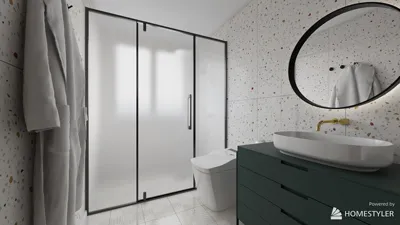
In the face of climate change challenges, it is imperative that we prioritize the development of sustainable buildings that prioritize energy efficiency and environmental responsibility. One effective strategy is to integrate architectural features that enhance bounce light, thereby decreasing overall energy usage.
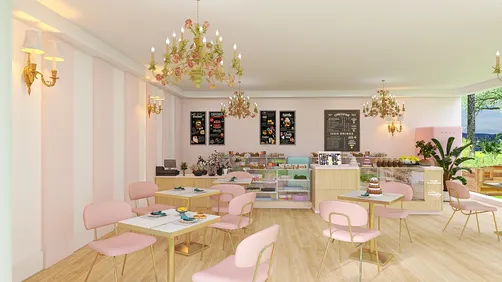
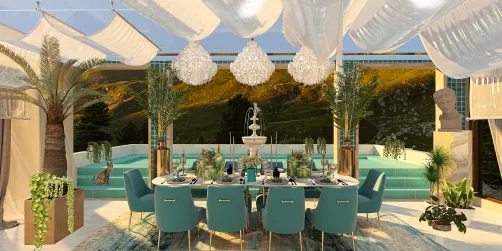
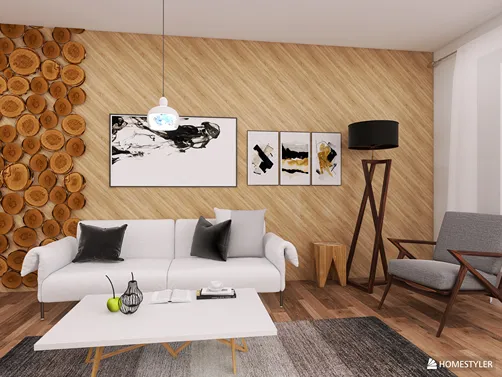
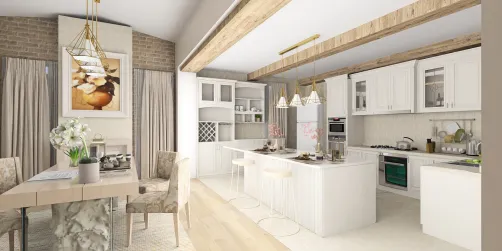
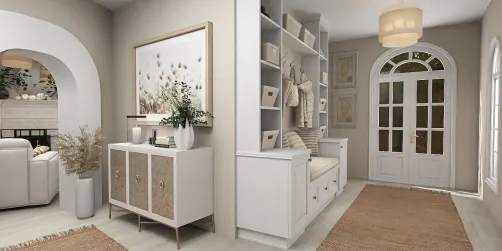
The concept of bounce light refers to the ability to reflect natural illumination within a space, contributing to a brighter and more inviting atmosphere while minimizing the requirement for artificial lighting. By leveraging reflective materials like white walls or floors, architects can amplify the natural light in interiors, consequently lowering dependency on electric illumination.
Additionally, the choice of sustainable materials plays a vital role in promoting energy efficiency in architectural design. The selection of building components, including insulation, flooring, and roofing, greatly influences a building's energy demands. By opting for materials that are both sustainable and energy-efficient, architects have the potential to significantly curtail a structure's energy consumption and ecological footprint.
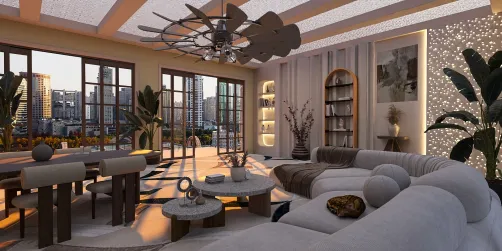
Moreover, architects can integrate innovative design features that optimize the harnessing of natural resources like wind and solar energy. By strategically crafting buildings that capitalize on these renewable resources, there is a tangible reduction in reliance on electricity and other nonrenewable sources.
Ultimately, considering the broad environmental effects of a building, encompassing construction and upkeep, is essential for architects. By designing structures that are straightforward to maintain and repair, architects can minimize the frequency of renovations, subsequently reducing waste and energy consumption, while also utilizing tools like Homestyler for efficient design planning.














![Design [4]](https://hs-designs.homestyler.com/production/design/images/07c2de3a-88ec-4be8-8910-ff255b795bc2/1731419398293/7841697.jpg?x-oss-process=image/resize,w_502,m_mfit/format,webp)