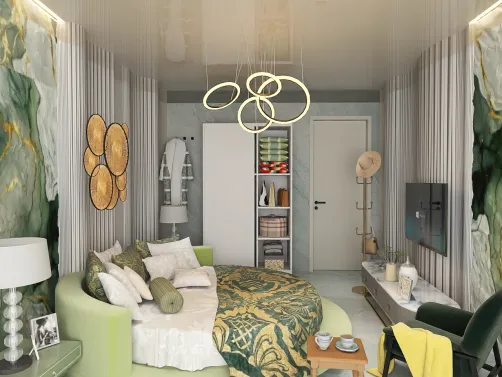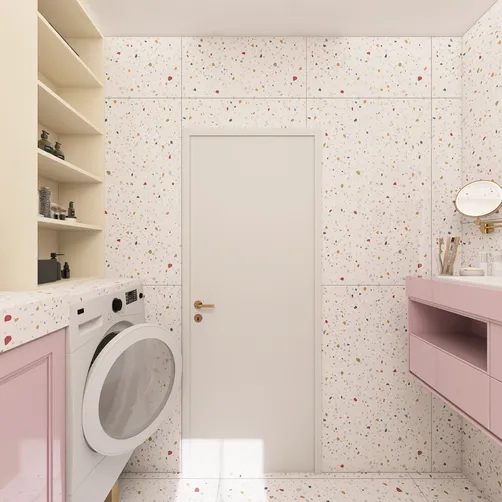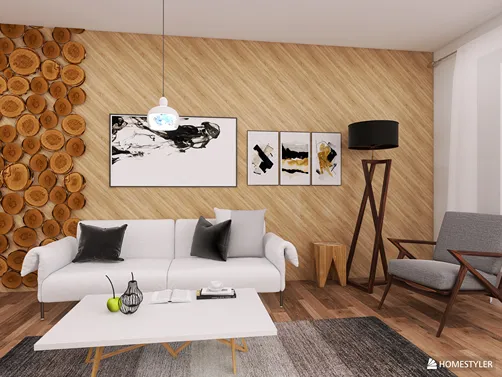
When discussing interior design, our minds often conjure up images of vibrant colors, diverse textures, and furnishings that embody our unique tastes. However, an essential yet often overlooked element plays a significant role in crafting cohesive and functional spaces: mathematics. Though it may not be the first thing that comes to mind, math is fundamental in various facets of interior design, including spatial planning and budgeting. In this piece, we will delve into the relationship between math and interior design, emphasizing how grasping basic mathematical principles can elevate your design endeavors. To begin with, spatial planning is a fundamental aspect of interior design, where geometry is highly relevant. Designers must accurately measure rooms, comprehend the dimensions of furniture and objects, and envision how these components will cohesively fit within a space. For instance, calculating a room's area is crucial for determining the quantity of flooring or paint required, while understanding the perimeter aids in arranging furniture effectively. By employing geometry, designers can create floor plans that optimize a room's potential, ensuring smooth traffic flow and creating an inviting atmosphere. Furthermore, proportions and scale hold great importance in interior design. Designers need to evaluate furniture size in relation to the room and other objects present. Ratios come into play here; recognizing the golden ratio or utilizing scale models can assist designers in crafting visually appealing arrangements. For example, placing a large sofa in a compact room can make it feel constricted, while using appropriately scaled furniture can significantly enhance the ambiance of a space. Another critical aspect where mathematics is indispensable is budgeting. Interior designers must establish precise budgets that cover various elements like materials, labor, and furnishings. This necessitates basic arithmetic skills to sum costs, compute taxes, and ensure effective fund allocation. Additionally, understanding percentages aids in applying discounts or calculating product markups. In a climate where every penny matters, math proficiency is vital for maintaining budgetary constraints while achieving stunning designs. Moreover, a solid grasp of mathematics can empower designers to make informed choices regarding lighting and acoustics within spaces. For example, calculating the necessary lumens for sufficient lighting based on room dimensions and usage involves mathematical formulas. Likewise, understanding how sound travels within a space, which influences acoustics, may require knowledge of angles and dimensions to create an ideal environment. In summary, while creativity is the essence of interior design, mathematics serves as the bedrock that underpins effective decision-making and successful results. By acknowledging the role of math in the design process, you can ensure that your designs are not only visually striking but also practical and functional. Whether you're an experienced designer or a novice, improving your mathematical skills can elevate your interior design projects significantly. Therefore, as you embark on your next design journey, keep in mind that a little math, augmented by innovative platforms like Homestyler, can go a long way in crafting beautiful spaces that genuinely represent your vision.
Tips 1:
Consider utilizing design software that integrates mathematical principles into the planning process. Tools such as Homestyler can assist you in visualizing your concepts while ensuring that every element fits seamlessly within your design.
FAQ
Welcome to Homestyler

















![Design [4]](https://hs-designs.homestyler.com/production/design/images/07c2de3a-88ec-4be8-8910-ff255b795bc2/1731419398293/7841697.jpg?x-oss-process=image/resize,w_502,m_mfit/format,webp)